Is France at Risk from Ground Subsidence?
Explore whether France's major cities are facing risks from ground subsidence and what measures can mitigate these challenges.
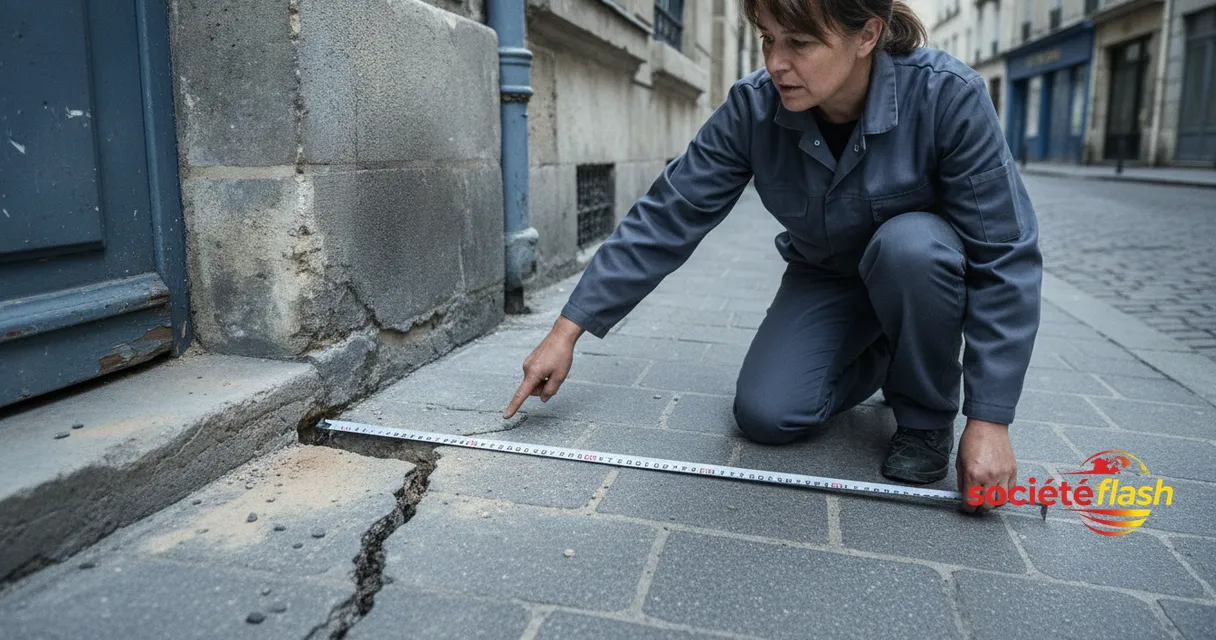
Every year, numerous major cities around the globe experience a gradual sinking of their ground levels. This phenomenon, known as ground subsidence, has raised concerns among researchers and residents alike about the potential threats to urban infrastructure. But what does this mean for France? Are French cities at risk?
Understanding the Causes of Land Subsidence
Land subsidence is a complex issue influenced by multiple factors. According to a study published in 'Nature Cities' by researchers Shengli Tao and Xie Hu, the main causes include the weight of urban development, tectonic shifts, and excessive groundwater extraction. These elements together contribute to the steady sinking of the Earth's crust.
The study utilized satellite-based interferometric synthetic aperture radar data from 2014 to 2023 to accurately map local subsidence in 465 major cities worldwide. Medan in Indonesia leads with a descent of approximately 33 mm per year, followed by Bandung, also in Indonesia, and Torreón in Mexico.
Potential Impact on Major French Cities
In France, cities such as Paris, Lyon, Bordeaux, and Marseille are experiencing a much slower rate of subsidence, less than a millimeter annually. While this may seem negligible, even minor ground movements can impact urban infrastructure, raising concerns about the long-term sustainability of buildings and underground networks.
To fully grasp the extent of this issue, it is crucial to consider the geological specifics and urbanization practices unique to each region. Although some global cities are severely impacted, the relative stability of French cities provides some reassurance, yet ongoing vigilance is essential.
Strategies for Mitigating Land Subsidence
In response to this challenge, several cities have implemented effective strategies to mitigate the issue. For example, in the Beijing-Tianjin-Hebei region of China, large-scale water transfer projects and strict groundwater management have successfully replenished aquifers, significantly reducing subsidence.
- Optimize water resource usage to prevent excessive groundwater extraction.
- Conduct regular geological monitoring to identify risk areas.
- Promote sustainable urbanization with planning that minimizes environmental impacts.
These measures show that with proactive management, the effects of subsidence can be countered.
France's Current Situation
As it stands, France does not appear to be significantly threatened by land subsidence. However, ongoing monitoring is necessary to ensure that infrastructures remain safe and functional. French cities, much like their European counterparts such as London, Rome, and Berlin, remain relatively stable.
It is crucial for local and national authorities to continue monitoring the situation and draw inspiration from strategies implemented elsewhere to prevent future risks. For more insights on climate and urban developments, visit our news section on Société Flash.
FAQ
Which cities are most affected by land subsidence?
The cities most affected by land subsidence are primarily located in Southeast Asia, such as Medan and Bandung in Indonesia, and in parts of North and Central America.
What are the main causes of this phenomenon?
The primary causes include the weight of urbanization, tectonic movements, and excessive groundwater pumping.
Is France seriously threatened by land subsidence?
No, France is not currently considered to be seriously threatened. French cities sink by less than one millimeter annually, which is deemed negligible.
How can land subsidence be mitigated?
Effective solutions include rigorous water resource management, geological monitoring, and promoting sustainable urbanization practices.
Where can I read more articles on similar topics?
Visit our about page to learn more about our mission and other articles.
Conclusion
While the question "Is France at risk from ground subsidence?" remains pertinent, the current situation in France appears to be under control. However, vigilance remains essential to prevent any future risks. To stay informed about developments and possible solutions, visit Société Flash regularly and explore our latest articles on climate and urban news.
For any inquiries or additional information, do not hesitate to contact us.
Also Read