Analyzing Wildfire Impact by Municipality in France
Explore wildfire impact data by municipality in France since 1973 to understand trends and improve risk management strategies.
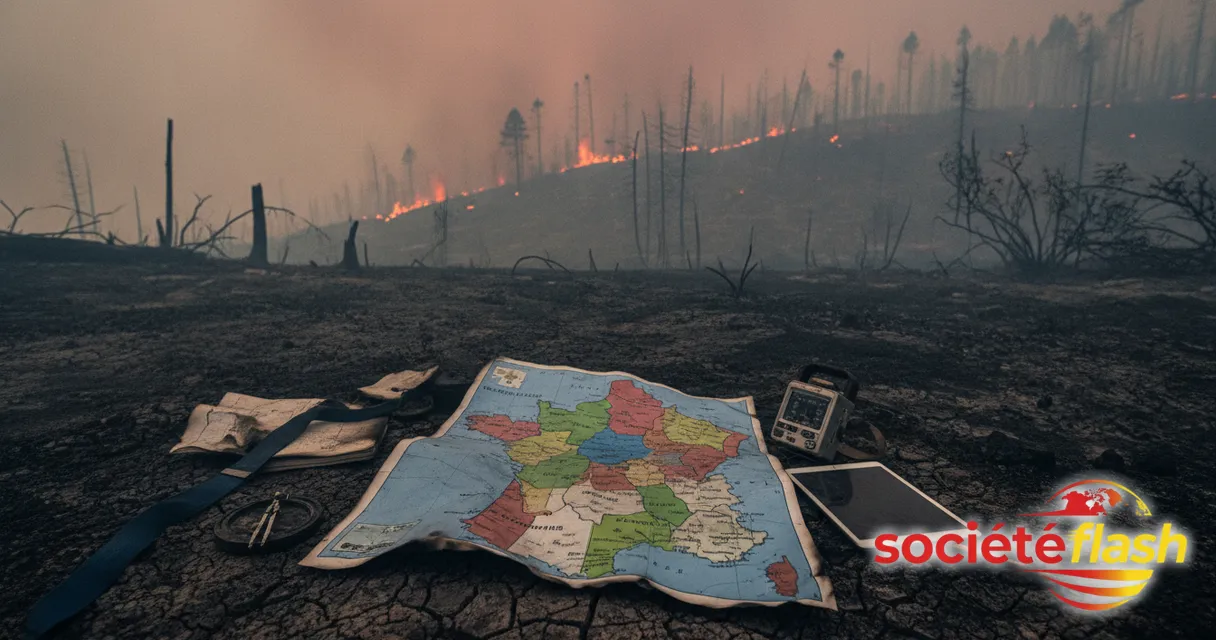
Wildfires pose a significant threat to both the environment and local communities across France. Since 1973, data on wildfires by municipality in France has provided essential insights into the impact of these natural disasters nationwide. Aggregated by ClimaScore, these data help us understand the extent of damage caused by wildfires and identify areas most at risk.
Understanding Wildfire Data
Wildfire data in France, available on data.gouv.fr, covers approximately 10,000 municipalities. It includes various elements such as the total number of fires, the years of the first and last fire, and the areas burned in hectares.
Why Are These Data Important?
These data help identify wildfire trends, facilitating the planning of prevention and response measures. By understanding which municipalities are most affected, resources can be allocated more effectively to minimize future damage.
The Most Affected Municipalities
Some municipalities in France have been particularly affected by wildfires over the years. The data highlights not only the number of fires but also the impact in terms of burned area. This enables local authorities to implement tailored strategies for wildfire risk management.
- Number of Fires: Municipalities with a high fire history require specific management plans.
- Burned Area: Data on affected wooded hectares help assess the environmental impact of wildfires.
Best Practices for Fire Prevention
To reduce the impact of wildfires, it is crucial to adopt effective prevention practices. Here are some recommended best practices:
Education and Awareness
Informing the public about fire risks and prevention measures is essential. Awareness campaigns can help reduce the number of fires caused by negligent human activities.
Vegetation Management
Proactive vegetation management around residential areas and critical infrastructure is a key strategy for preventing the spread of wildfires.
Comparing Risk Management Strategies
Risk management strategies vary from one municipality to another, depending on local specifics. Comparing these approaches helps identify the most effective methods.
- Proactive Approach: Some municipalities invest in early fire detection and monitoring.
- Shared Resources: Sharing resources between neighboring municipalities can enhance intervention efficiency.
These strategies are essential for minimizing wildfire damage, as discussed in our article on wildfire interventions in British Columbia.
Conclusion and Call to Action
Wildfires present a significant challenge in France, but with detailed data and best practices, it is possible to reduce their impact. To learn more about how we can help you understand and manage wildfire risks in your municipality, visit our about page or contact us directly through our contact form. Société Flash is committed to providing critical information for the safety and protection of our communities.
FAQ
What is the primary goal of wildfire data?
The primary goal is to provide detailed information to better understand and manage fire risks across French municipalities, facilitating informed decision-making.
How is wildfire data collected?
It is collected and aggregated by ClimaScore, based on reported incidents in each municipality, and updated annually.
Which municipalities are most at risk of wildfires in France?
Municipalities in southern France, particularly those with hot and dry summers, are often the most affected by wildfires, requiring special attention in prevention efforts.
Also Read