Analyzing the October 24, 2026 Protests: Persistent Anger
Discover the key details of the October 24, 2026 protests in France, highlighting persistent anger and a decrease in violence. Learn about the root causes and solutions.
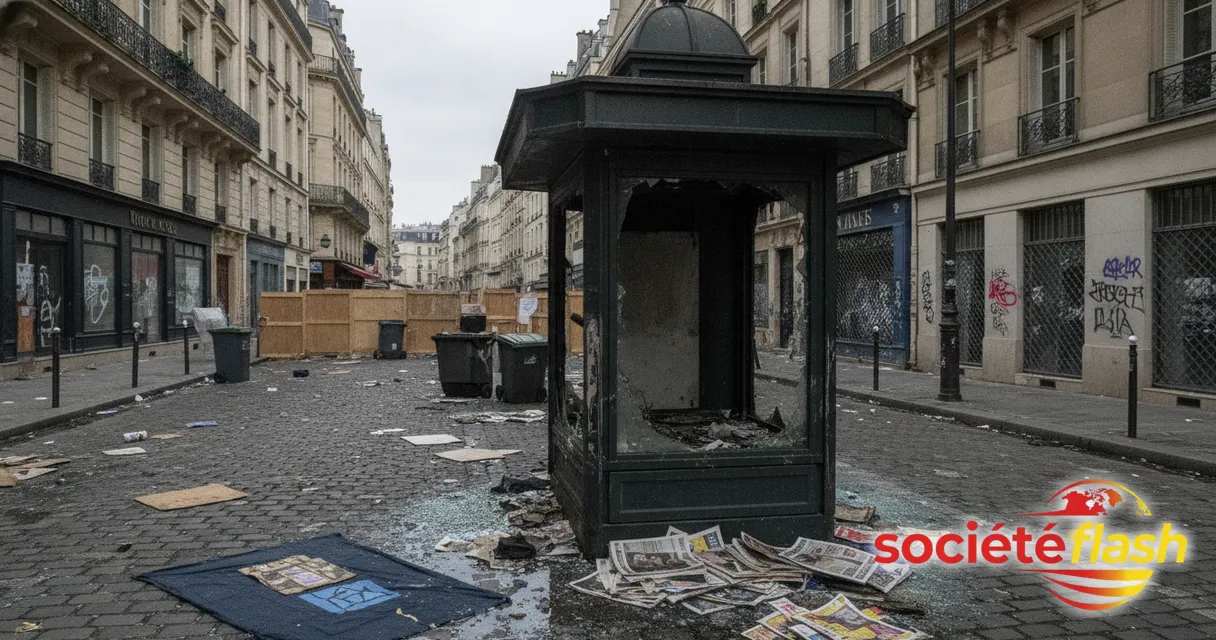
The demonstrations on October 24, 2026, represent a pivotal moment in the ongoing wave of protests sweeping across France. As social tensions continue to rise, the day's events highlighted a persistent anger among the people, though there was a notable decline in violent incidents. Many protesters once again gathered to voice their demands for more affordable living conditions and a more robust democracy.
Understanding the October 24, 2026 Protests
On October 24, a new chapter unfolded in the protests, echoing the previous week's anger but with less damage. Interior Minister Laurent Nuñez noted that the marches proceeded with relative calm, despite the presence of some groups intent on clashing with law enforcement. Nearly a thousand arrests were reported, although looting incidents remained limited.
Participation numbers vary by source: the CGT union claims 800,000 demonstrators nationwide, while the Interior Ministry reports 410,000. These discrepancies underscore the tensions and differing interpretations surrounding this significant social movement.
Root Causes of Social Unrest
The reasons behind this mobilization are multifaceted and deeply rooted in social discontent. The rising cost of living, limited democratic expression, and the concerns of young people, especially high school students, are at the heart of the grievances. The movement's reach extends beyond major cities; places like Clermont-Ferrand, Lorient, and Lille also saw substantial crowds gathering.
The involvement of political figures such as Socialist Party leader Olivier Faure and La France Insoumise's Jean-Luc Mélenchon highlights the importance of these issues for the country's political future. These leaders have stressed the urgent need for responses to the growing dissatisfaction.
Strategies for More Peaceful Protests
To address these challenges, several measures can be considered to ensure more peaceful protests in the future:
- Strengthening dialogue between protesters and authorities to avoid violent confrontations.
- Training law enforcement to manage crowds non-violently.
- Encouraging citizen participation in political decisions to reduce feelings of marginalization.
A proactive and collaborative approach could help channel this anger into constructive discussions and meaningful reforms.
Conclusion
The October 24, 2026 protests demonstrate that while anger remains, violence during demonstrations can be reduced. To transform this social dynamic into an opportunity for change, establishing constructive dialogue between citizens and their representatives is crucial. Contact Société Flash to stay informed about future developments and discuss potential solutions for the future.
For more insights on recent events related to these protests, visit our news section where you will find in-depth analyses of these pressing issues.
FAQ
What were the main demands of the October 24, 2026 protesters?
Protesters voiced their dissatisfaction with the rising cost of living, limited democratic expression, and concerns affecting young people, particularly high school students.
How was violence reduced during these protests?
A reinforced police presence, including 70,000 officers and elite units, helped better manage the demonstrations and limit violent acts.
What role did political leaders play during these protests?
Political figures like Jean-Luc Mélenchon joined the protests, calling for immediate government action to address the popular demands.
What was the impact of the protests outside major cities?
Medium-sized cities like Clermont-Ferrand, Lorient, and Lille also experienced significant demonstrations, highlighting the national scale of the movement.
Where can I find more information about these events?
You can find additional details and analyses in our news section or visit our about page to learn more about our mission and services.
Also Read