Analyzing World War II Films
Explore the complexities of World War II films, balancing historical accuracy and engaging narratives. Insights from historians Baruch & Douzou.
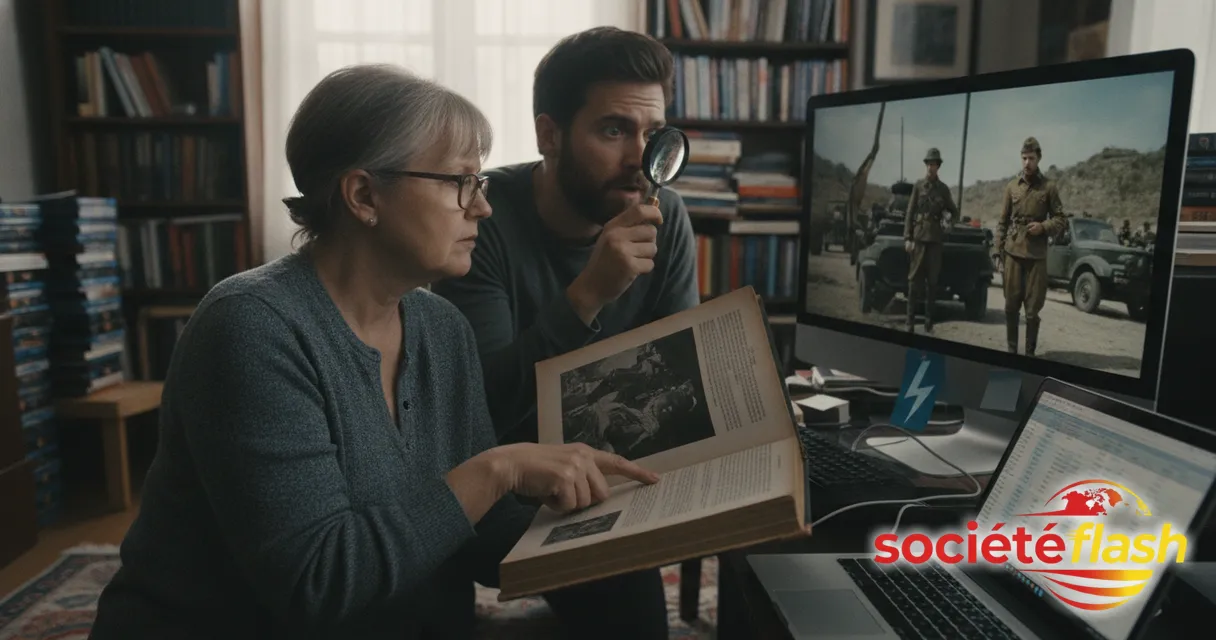
The recent surge of World War II films has captured significant public interest, particularly with the release of 'Moulin', which highlights both the Resistance and collaboration during the era. Historians Marc Olivier Baruch and Laurent Douzou have shared their insights on this trend in an interview with L'Obs. They caution that films often fall into the trap of adhering too strictly to historical settings, sometimes at the expense of deeper storytelling. This observation raises important questions about how cinema portrays history, particularly this pivotal period of the 20th century.
Why is Cinema So Fascinated with World War II?
The fascination with World War II in French cinema is hardly new, but what stands out today is the frequency and diversity of films exploring this historical event. According to historians Marc Olivier Baruch and Laurent Douzou, this renewed interest can be attributed to several factors. Firstly, the war itself provides a dramatic backdrop rich with heroic and tragic stories. Additionally, it allows filmmakers to explore universal themes such as courage, betrayal, and human resilience.
Films such as 'The Rays and the Shadows', 'The Battle of Gaulle', and 'Our Salvation' exemplify this trend. Each film offers a unique perspective on the French Resistance, revealing the moral complexities and dilemmas faced by individuals at the time. This narrative diversity allows audiences to engage with history on a more personal and nuanced level.
The Trap of Historical Settings: Too Much Authenticity?
Historians warn that an excessive focus on historical authenticity in settings and details can often overshadow a film's narrative depth. 'The trap consists of sticking too closely to the settings in the worst sense of the term,' they explain. This means that films risk prioritizing visual authenticity over a deeper exploration of the motivations and actions of historical figures.
Indeed, a film can be visually accurate to its period without necessarily providing a profound understanding of the events. Filmmakers must strike a balance between historical precision and engaging storytelling. It is a constant challenge to breathe life into characters from the past while staying true to the complexity of their choices and contexts.
Common Mistakes in Historical Representation
The Focus on One-Dimensional Heroes
A common error in historical films is presenting characters as either heroes or villains without nuance. This oversimplification can make the story less credible and less engaging for modern audiences who seek more complex narratives.
Neglecting Social and Political Contexts
Films that focus solely on military events can overlook the social and political contexts that influenced these events. This can result in a narrow view of history, depriving audiences of a comprehensive understanding.
Lack of Diversity in Storytelling
Historical narratives often omit marginalized voices, representing only the perspectives of dominant figures. Including a diverse range of perspectives can enrich the storytelling and provide a fuller understanding of the era.
Checklist for Successful Cinematic Representation
- Ensure a balance between historical accuracy and engaging storytelling.
- Avoid simplistic stereotypes by developing complex characters.
- Incorporate social and political contexts to enrich the narrative.
- Include diverse perspectives for a fair representation.
- Collaborate with historians to ensure historical accuracy.
Conclusion: The Importance of Balance in Storytelling
For filmmakers, the challenge lies in depicting World War II in a way that is both accurate and captivating. As Baruch and Douzou remind us, avoiding the trap of excessive fidelity to settings is essential to provide a rich and engaging narrative. At Société Flash, we are committed to delivering cultural analyses and critiques that enhance your understanding of these works. Discover more about our editorial approach by visiting our editorial policy.
FAQ
What are the challenges of historical representation in film?
Historical representation in film must balance accuracy and storytelling, while avoiding excessive simplifications and ensuring diverse perspectives.
Why should films avoid focusing solely on settings?
Focusing only on settings can diminish narrative depth, making characters and their motivations less engaging.
How does Société Flash support film enthusiasts?
We offer reviews and analyses that help audiences understand the narrative and historical choices in films, enriching the cinematic experience.
Also Read