Understanding the Paradox of Rising Energy Prices
Explore the paradox of rising energy prices in 2026 France and why wood heating, the cheapest energy, struggles to gain popularity.
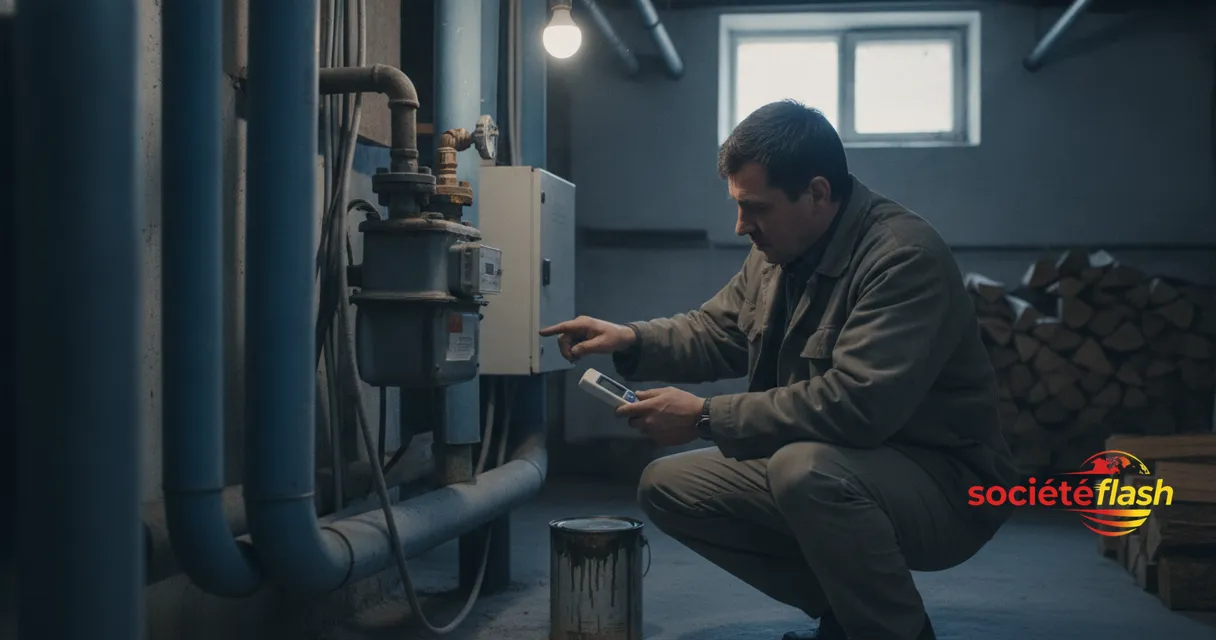
In 2026, France's energy market is experiencing a significant increase in the prices of gas, oil, and electricity. Despite this surge, the energy source considered to be the 'cheapest'—wood heating—struggles to attract consumers. Understanding this paradox is crucial for navigating the current energy sector. For more insights on current trends, visit our news section.
Gas, Oil, and Electricity Prices Soar, Yet 'Cheapest' Energy Falls Behind
This year has seen a dramatic rise in energy prices, with gas increasing by 6.3% on October 1st, and another hike expected in November. Simultaneously, oil and electricity prices have also escalated sharply. In this context, wood, often touted as the most cost-effective option, is not gaining the expected popularity. Industry professionals report that sales of wood heating appliances are stagnating, despite wood's substantially lower cost per kilowatt-hour compared to other energy sources. To explore the implications of these changes further, visit our about page.
Strategic Opportunities in Wood Heating
The wood market offers significant opportunities for consumers looking to cut down on energy expenses. With an average cost of 5 cents per kilowatt-hour for log wood, compared to 18 cents for gas and 20 cents for electricity, wood emerges as an attractive financial option. However, the lack of government incentives, like MaPrimeRénov, combined with general economic uncertainty, hampers investment in this sector. For more information on energy solutions, you can contact us.
Why Is Wood Heating Underutilized?
Several factors contribute to the underuse of wood heating. Firstly, the initial cost of installing a pellet stove, often ranging from €5,000 to €6,000, remains a significant barrier. Additionally, the recent heatwave has distracted the French public from preparing for winter, impacting sales. Moreover, a lack of awareness about the environmental and economic benefits of wood plays a crucial role. Consumers often hesitate to invest in solutions they don't fully understand.
Practical Tips for Implementing Wood Heating
For consumers considering a switch to wood heating, here are some practical tips:
- Assess Your Needs: Before investing, it's essential to determine the size and type of stove suitable for your home. A precise assessment can help optimize energy efficiency.
- Explore Financial Alternatives: Even without subsidies, some banks offer favorable loans for eco-friendly installations. It's advisable to compare offers to find the best financial option.
- Compare Suppliers: Wood prices can vary significantly. It's wise to compare several suppliers to get the best rate. Also, ensure the wood quality is good for efficient combustion.
Conclusion
Adopting wood as an energy source represents a viable and sustainable alternative in the face of rising energy prices. It not only offers substantial long-term savings but also contributes to a more environmentally friendly energy consumption. To discover how Société Flash can support your energy transition, contact us today. For additional information on energy trends, visit our news section.
FAQ
Why is Wood Heating Considered Economical?
Wood has a lower cost per kilowatt-hour compared to gas and electricity, making it a more affordable long-term option. Additionally, wood is a renewable resource, which makes it an environmentally friendly choice.
What Are the Barriers to Adopting Wood Heating?
The main obstacles include the high initial cost of stoves and a lack of awareness among consumers. The absence of subsidies and environmental concerns may also deter some from adopting this solution.
How Can Société Flash Assist in the Energy Transition?
Société Flash provides detailed information and advice on energy options, helping consumers make informed choices. We also offer personalized consultations to assess specific energy needs for each household.
Also Read