Carney Warns U.S. Aims to Divide Canada Amid Trump's '51st State' Claims
Mark Carney warns of U.S. efforts to destabilize Canada as Trump revives '51st State' rhetoric. Discover how this affects Canada-U.S. relations.
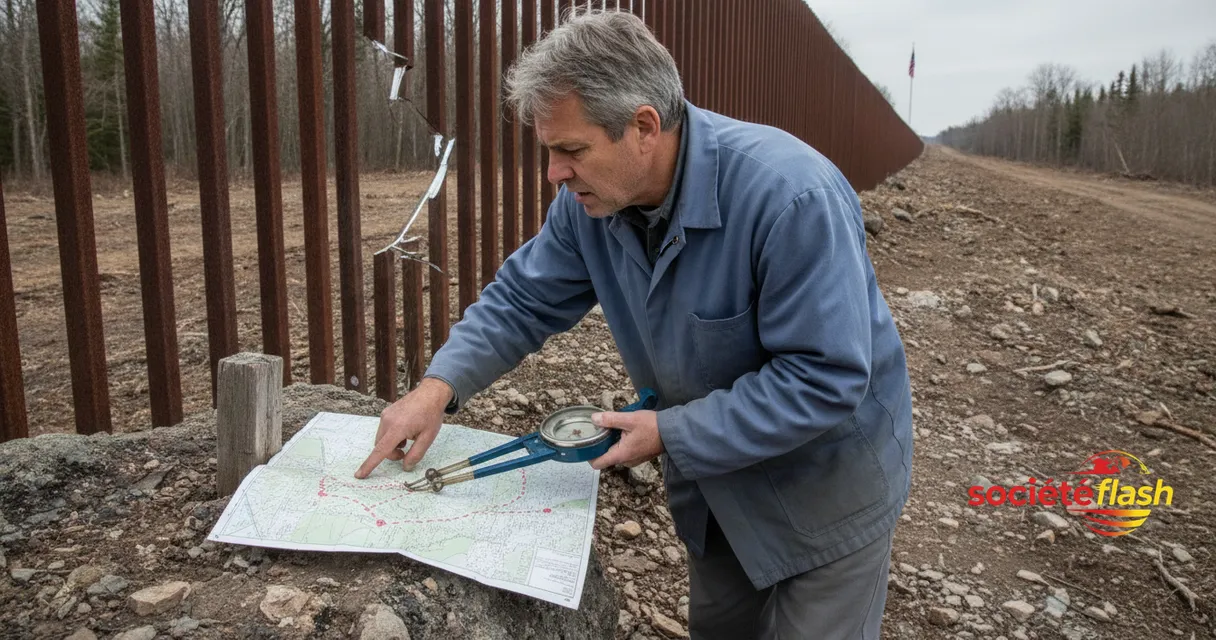
Canadian Prime Minister Mark Carney has issued a stark warning about attempts by the United States to sow discord in Canada, as Donald Trump intensifies his rhetoric about annexing Canada as the '51st State.' Speaking at a gathering in Calgary, Carney urged Albertans to reject a referendum on separation. This statement comes at a crucial time, as Canada and the U.S. are embroiled in a trade dispute, exacerbating tensions between the two nations.
The Stakes of the Alberta Referendum
The upcoming referendum in Alberta, scheduled for this Monday, is a critical issue for the Canadian government. Carney highlighted that this vote comes at a particularly inopportune time in a world that is increasingly dangerous and divided. He warned that external forces, hinting at the U.S. without naming it directly, are seeking to destabilize the country.
The central issue of this referendum is whether oil-rich Alberta should hold a vote on its independence. Polls suggest that a majority of Albertans favor remaining part of Canada, but the mere prospect of such a popular consultation is creating significant internal tensions.
Trump and the '51st State' Threat
Donald Trump recently reiterated his ambition to annex Canada, stating at a rally in Arizona that the country will eventually become the 51st State of the United States. This declaration follows months of repeated threats by Trump regarding Canadian sovereignty, heightening tensions between the administrations of both countries.
Trump's accusations that Canada has mistreated the U.S. in terms of trade and security are not new. Even before Carney became Prime Minister in 2025, Trump had referred to Carney's predecessor, Justin Trudeau, as the 'governor' of the 'great State of Canada.' For more insights, see our detailed article on Trump's declaration about Canada's future.
Carney's Risk Management Approach
In response to Trump's threats, Carney acknowledged having assessed the risk of an American invasion, though he views this as risk management rather than a likely scenario. Patrick Leblond, a professor at the University of Ottawa, explains that Carney is right to discuss 'tail risk,' a financial term that refers to low-probability but high-impact events.
Trump's economic actions, such as imposing tariffs, have had far more severe consequences than his annexation rhetoric. The economic pressure from the White House could intensify, and Canada must be prepared to face this increasing pressure. For more on the potential economic impacts, read our analysis on the Trump administration's tariff considerations.
Carney's 'Canada Strong' Strategy
In this tense context, Carney launched his 'Canada Strong' strategy aimed at bolstering the Canadian economy by encouraging the purchase of local products. This initiative is crucial for limiting Canada's economic dependence on the U.S., its primary trading partner.
A recent report indicates that trade between the two countries decreased by 4.6% from 2024 to 2025, despite a trade volume of $872.3 billion. These numbers underscore the importance of the bilateral economic relationship, but also the urgent need for Canada to diversify its trade partnerships.
FAQ
What are the implications of an Alberta referendum?
An Alberta referendum could weaken national unity in Canada at a time when the country is facing external threats and internal tensions.
Why does Trump want to annex Canada?
Trump claims that Canada treats the U.S. unfairly in trade matters and sees annexation as a way to bolster American interests. However, this notion is seen as unrealistic and provocative.
How is Carney handling tensions with the U.S.?
Carney has implemented the 'Canada Strong' strategy to promote local purchasing and reduce Canada's economic reliance on the U.S.
Conclusion
The current situation between Canada and the United States highlights complex issues of sovereignty, national identity, and trade relations. To navigate this delicate context, it is essential to stay informed about ongoing developments. Société Flash offers in-depth coverage and critical analyses on these topics. For questions or more information, feel free to contact us.
Also Read