Toronto Drivers Face Parking Challenges After Bike Lane Removal
Toronto drivers face parking challenges after bike lane removal, highlighting urban planning and mobility issues. Learn how to adapt efficiently.
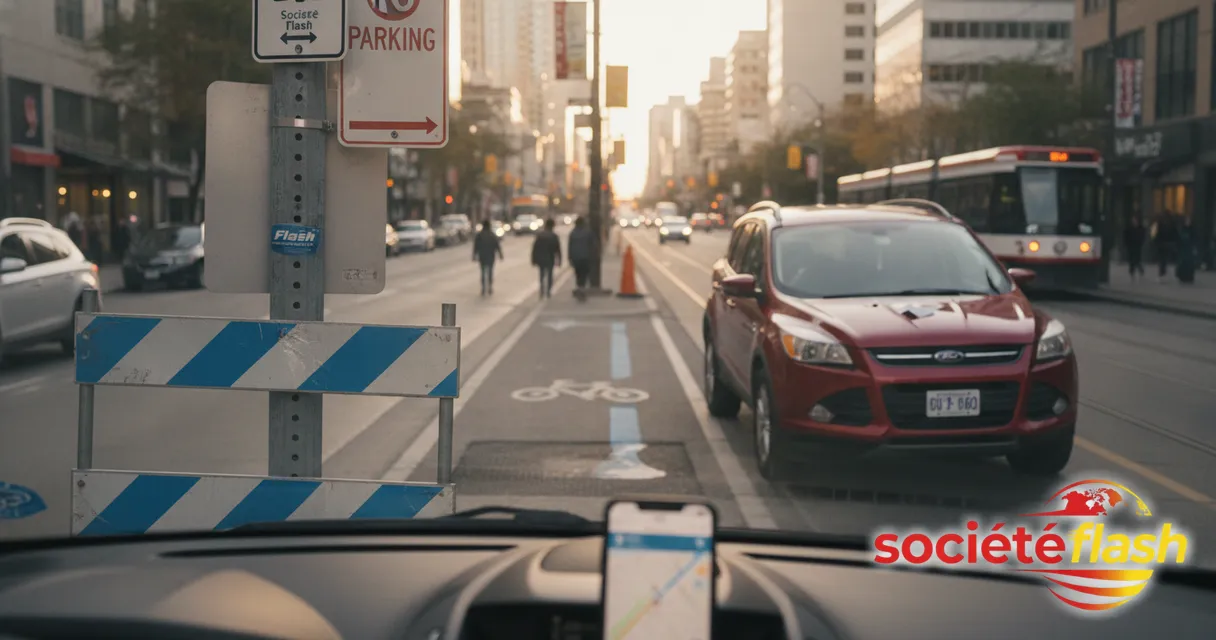
In Toronto, the decision to eliminate a significant number of bike lanes has stirred mixed reactions among residents, particularly drivers like Jason Welch, who now faces major uncertainty regarding parking his vehicle. This development highlights crucial issues concerning urban planning and mobility in a constantly evolving metropolis.
A Major Shift for Toronto Drivers
The removal of bike lanes in Toronto has put drivers like Jason Welch in a tough spot. For many, these lanes served not only as dedicated spaces for cyclists but also as makeshift parking spots for their vehicles. Welch, the owner of a GMC Acadia, shares his frustration: "It's so frustrating trying to park without those convenient bike lanes!"
The Feeling of Insecurity
Welch explains that the bike lanes provided a certain level of security for his car. "I prefer leaving my car there because it feels safe, and I don't have to worry about someone damaging it." This sentiment is echoed by many drivers who view these spaces as protection against urban risks.
- Protection against potential damage
- Easy access for quick stops
- Reduced anxiety related to traffic
Unfortunately, the absence of these lanes forces drivers to seek alternatives that are often less convenient and more stressful.
Strategic Opportunities for Urban Planners
The removal of bike lanes presents a unique opportunity to rethink urban planning in Toronto. Urban planners can use this situation to develop infrastructure that better meets the joint needs of drivers and cyclists.
Redesigning Spaces
Reorganizing parking and traffic spaces to include shared zones could be a solution. Moreover, it is crucial to incorporate drivers' concerns into planning decisions to ensure a balance between the various road users.
For more on similar cases, read our article on Saoud Park and its economic impacts.
Tips for Adapting to the New Reality
In light of these changes, drivers need to adapt their parking and driving habits. Here are some practical tips:
Study the New Parking Rules
It's essential to familiarize yourself with the new parking rules implemented by the city. This includes understanding authorized parking zones and specific timing restrictions.
Explore Transportation Alternatives
Considering the use of public transport or carpooling can be beneficial. This not only helps reduce congestion but also minimizes parking hassles.
For additional advice on adapting to these changes, check out our articles in the News section.
FAQ
How can drivers adapt to these changes?
Drivers can adapt by learning about the new parking rules, exploring transportation alternatives like carpooling, and using parking apps to optimize their driving experience.
What impacts do the removal of bike lanes have on traffic?
The main impact is increased car congestion, as former bike lane spaces were sometimes used for parking. This requires a reevaluation of parking and traffic infrastructure.
How can local authorities improve the situation?
Authorities can improve the situation by working with urban planners to create shared spaces, enhancing public transport infrastructure, and raising public awareness of new traffic rules.
Conclusion
The situation in Toronto, where drivers like Jason Welch are questioning where to park after the removal of bike lanes, raises important questions about urban planning and mobility. At Société Flash, we are committed to providing in-depth analyses and innovative solutions for modern urban challenges. To learn more about our services and solutions, feel free to contact us.
Also Read