COP 17: "Restoring Hope" in the Face of Desertification
COP 17: "Restoring hope" in the fight against desertification. Explore the issues and solutions with Société Flash.
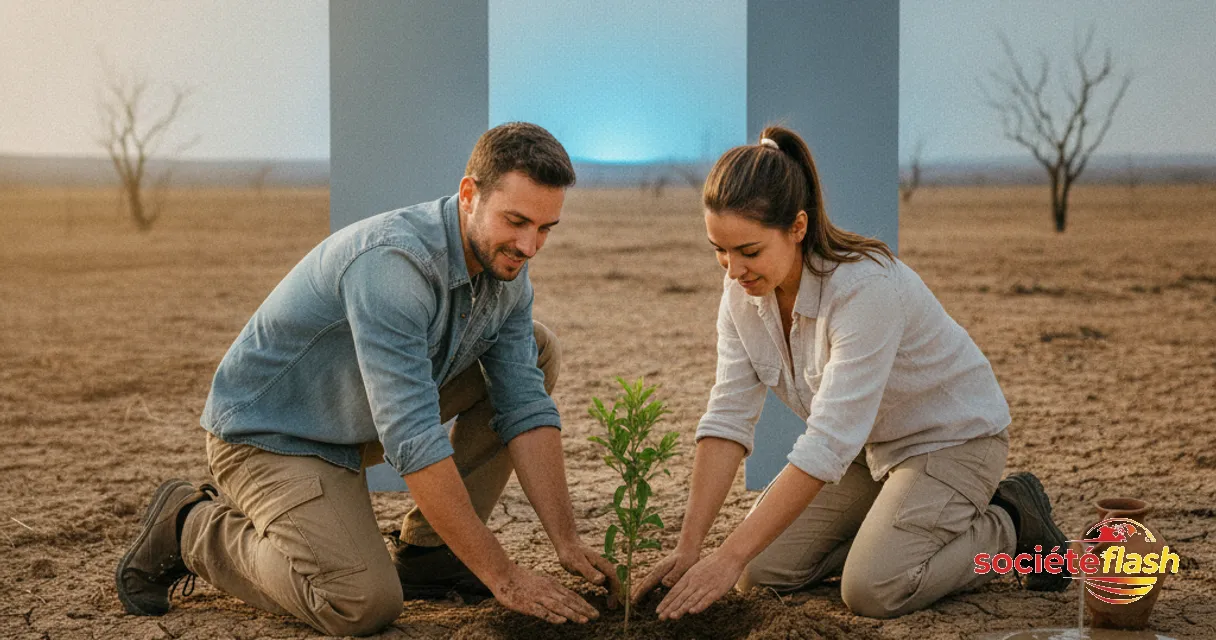
The 17th Conference of the Parties (COP 17) of the United Nations Convention to Combat Desertification (UNCCD) has just opened in Ulaanbaatar, Mongolia, with the ambitious goal of "restoring land, restoring hope." Desertification, although less covered in the media than other environmental issues, represents a massive global threat, affecting 40% of the Earth's land area and endangering the lives of 3.2 billion people. As an engaged news portal, Société Flash brings you a comprehensive overview of this issue, highlighting potential solutions and our role as a catalyst for change.
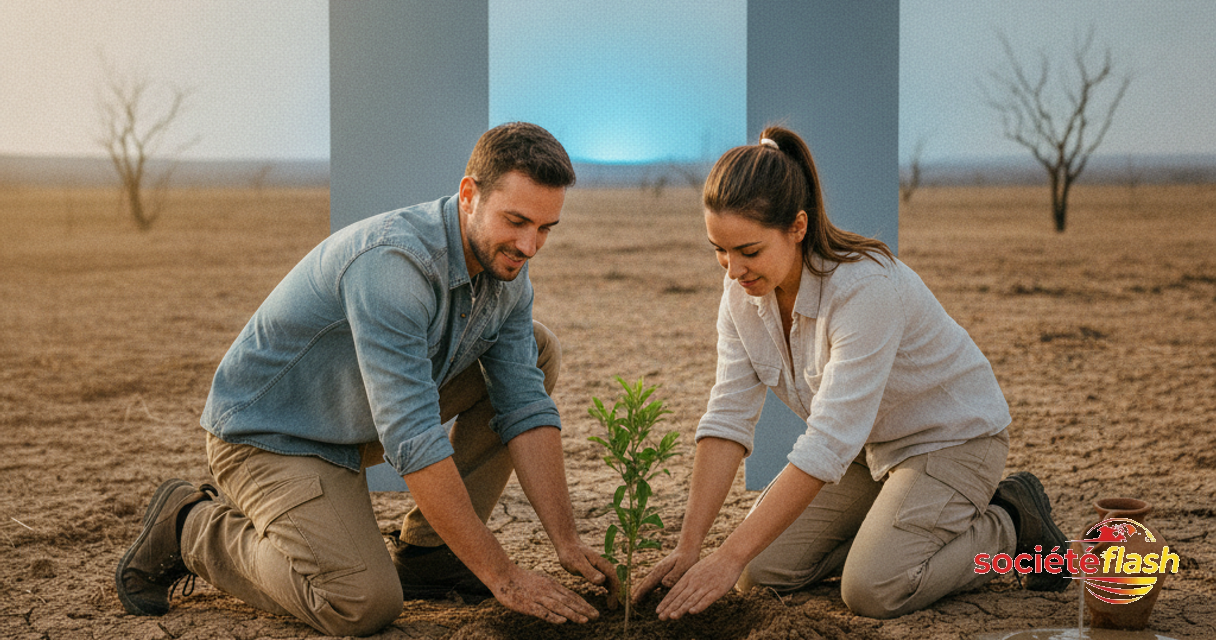
The Underlying Causes of Desertification
Desertification is primarily driven by human activities such as climate change, deforestation, and intensive agricultural practices. These factors lead to severe land degradation, rendering soils unproductive. In high-income countries, this degradation is often masked by the intensive use of chemical inputs, which ultimately contributes to soil depletion. Conversely, in low-income countries, particularly across Sub-Saharan Africa, limited access to inputs worsens the vulnerability of local populations.
In Madagascar, for instance, years of drought have severely restricted food access, illustrating the urgent need for concerted action. For these reasons, COP 17 is focusing on the necessity of transforming agricultural practices to curb this destructive trend.
Solutions to Restore Hope
The solutions to combat desertification are well known and require a radical overhaul of agricultural practices. Embracing agroecology and agroforestry, which preserve biodiversity and improve soil health, is crucial. The goal is to halt destructive practices and restore degraded land, which, according to the UNCCD, requires an investment of one billion dollars per day.
Sandra Rulliére from the French Development Agency emphasizes that every dollar invested in land restoration can generate between $7 and $30 in returns. This demonstrates that investing in soil health is not only ecologically beneficial, but also economically profitable.
The Crucial Role of the International Community
During COP 17, a major goal is to persuade governments, agricultural banks, and the private sector to invest massively in land restoration. This also includes phasing out subsidies for harmful farming practices. In Mongolia—a country heavily affected by desertification, with 77% of its land degraded—pastoralism is being championed as a beneficial practice for soil preservation and the maintenance of fragile ecosystems.
The UN's designation of 2026 as the "International Year of Rangelands and Pastoralists" highlights the vital importance of this practice for sustainable development and social cohesion in arid regions.
How Société Flash Can Help You
As an engaged media outlet, Société Flash strives to be a key player in sharing vital reporting on desertification and viable solutions. Our platform, Société Flash, is designed to keep you informed of the latest news and offer in-depth analysis of global issues. By subscribing to our World section, you can track the evolution of environmental policies and understand how they impact both professional and personal practices.
We encourage you to explore our articles, such as the analysis of humanitarian crises linked to environmental changes, to better understand the challenges and solutions ahead.
FAQ
What is COP 17?
COP 17 is the 17th session of the Conference of the Parties to the United Nations Convention to Combat Desertification, aimed at addressing and resolving global land degradation challenges.
Why is desertification an urgent issue?
Desertification affects 40% of the Earth's land and threatens 3.2 billion people, generating substantial economic costs. Taking action is critical to prevent these environmental and human impacts from worsening.
What are the economic benefits of land restoration?
Investing in the restoration of degraded land can generate between $7 and $30 for every dollar invested, according to the UNCCD, making it an economically viable solution.
How can I learn more about desertification?
Société Flash offers comprehensive resources and in-depth articles on global environmental issues. Visit our News section for the latest updates.
Conclusion
COP 17, themed "restoring hope," offers a unique opportunity to turn the challenges of desertification into opportunities for a sustainable future. By committing to land restoration, we can not only mitigate negative environmental impacts but also foster sound economic development. To stay informed and take an active part in this change, subscribe to Société Flash and explore our articles on societal issues. Together, let us restore the land and restore hope for future generations.
Also Read