Oil Crisis: Coordinated Action for Europe's Stability
Explore how European nations can tackle the oil crisis through coordinated actions, stabilizing markets and securing long-term energy supplies.
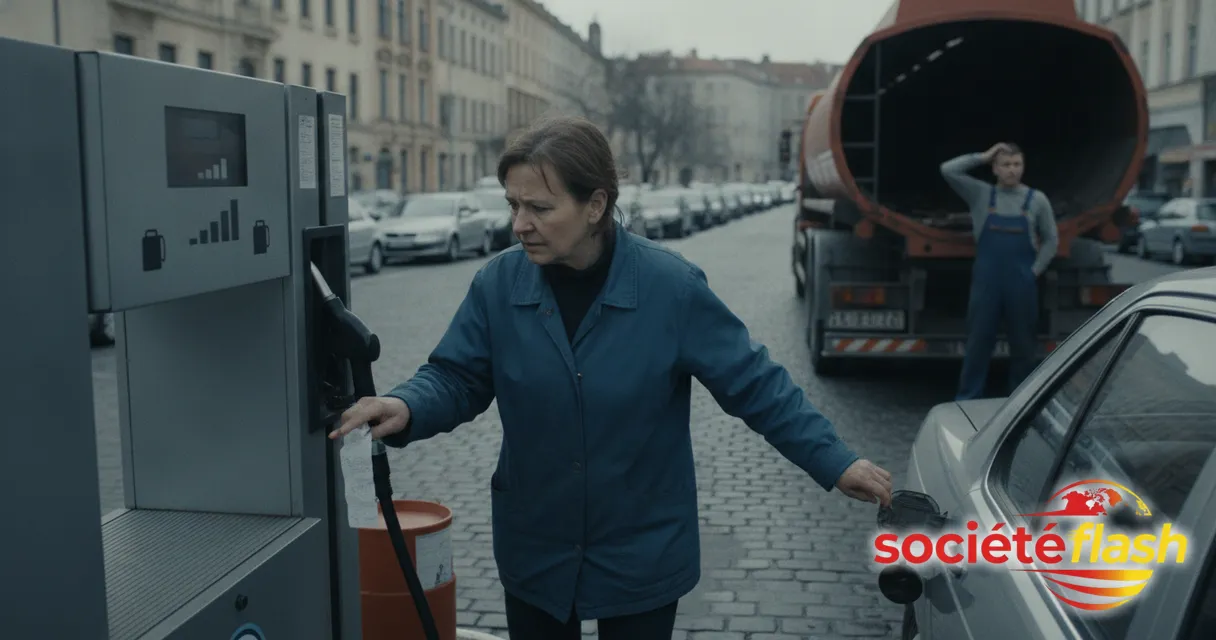
The ongoing oil crisis has spotlighted pressing concerns for European nations, grappling with fuel price volatility and significant energy dependency. In such a scenario, coordinated action among these countries is essential to stabilize markets and secure energy supplies. This cooperation can also enhance their resilience to unforeseen geopolitical events, such as potential disruptions in the Strait of Hormuz. The strait is a strategic chokepoint, with a substantial portion of the world's oil passing through it, and any disruption could severely impact energy supply chains.
Key Considerations During an Oil Crisis
Collaboration among European states is vital. Here are some critical questions to address:
- How can strategic oil reserves be utilized effectively without compromising long-term energy security? Reserves should be managed to respond swiftly to crises while maintaining sufficient capacity for future emergencies.
- What cooperative mechanisms can be established among EU member states to handle similar crises in the future? Establishing resource-sharing agreements and rapid response protocols is crucial.
- How can we ensure that fuel price reductions are actually passed on to consumers? Price monitoring and regular audits of distributors might be necessary to confirm that price cuts are implemented effectively.
Addressing these questions requires a concerted approach and increased transparency in managing energy resources. Nations must also invest in monitoring and inventory management technologies to optimize the use of reserves.
Best Practices for Efficient Reserve Management
Leveraging strategic reserves, as France has recently done, is an effective but limited emergency measure. Here are some best practices that could be adopted:
Transparency and Communication
Governments should regularly disclose the volumes of oil released and regulate distributor prices and margins through decrees. This ensures that price reductions are genuinely applied. Transparent communication also helps maintain public and market trust.
International Cooperation
Partnerships with the International Energy Agency (IEA) are indispensable. Since the 1973 oil shock, IEA members have committed to maintaining a minimum stock of 90 days of net imports, facilitating a swift and coordinated crisis response. This cooperation can include crisis simulation exercises to test and enhance emergency plans.
Comparing National Strategies
Let's examine the different approaches European countries have adopted in managing strategic reserves:
- France: Manages nearly 13 million tonnes of oil through Sagess, with TotalEnergies as a major shareholder. France has also invested in modern storage infrastructure to improve efficiency.
- Germany: Focuses on diversifying import sources and investing in renewable energy. Germany has developed partnerships with producing countries to secure supplies.
- United Kingdom: Has increased storage capacity and reduced reliance on imported oil. The UK has also implemented incentives to encourage the use of alternative energy sources.
These strategies highlight the importance of customized and adaptable management in the face of energy crises. Each country must assess its own needs and capabilities to develop an effective strategy.
FAQ
Why is it crucial for European states to act together during the oil crisis?
A coordinated action helps stabilize prices, ensure continuous supply, and strengthen collective energy security. By working together, states can also share crucial resources and information for more effective crisis management.
How can strategic reserves help mitigate the crisis?
Strategic reserves allow for rapid oil release into the market to counter price hikes and ensure supply. They act as a buffer against sudden price fluctuations and provide economic stability.
What role does the IEA play in managing the oil crisis?
The IEA coordinates international actions regarding strategic stocks, ensuring a rapid and effective response to shortages. It also provides analyses and policy recommendations to help countries navigate energy crises.
Conclusion: The Importance of European Coordination
The current oil crisis underscores the necessity for coordinated action among European states. By working together, they can not only stabilize markets but also enhance their long-term energy security. Through its news portal, Société Flash provides an essential platform for understanding these complex issues and following developments in real time. To learn more about our services and stay informed with the latest news, feel free to contact us or visit our homepage. Effective coordination can also drive innovation in the energy sector, promoting the development of new technologies and sustainable solutions.
Also Read