Galen Weston: Grocers Can't Control Food Prices
Galen Weston emphasizes that grocers can't control prices, challenging misconceptions that harm the industry. Learn about the real factors affecting prices.
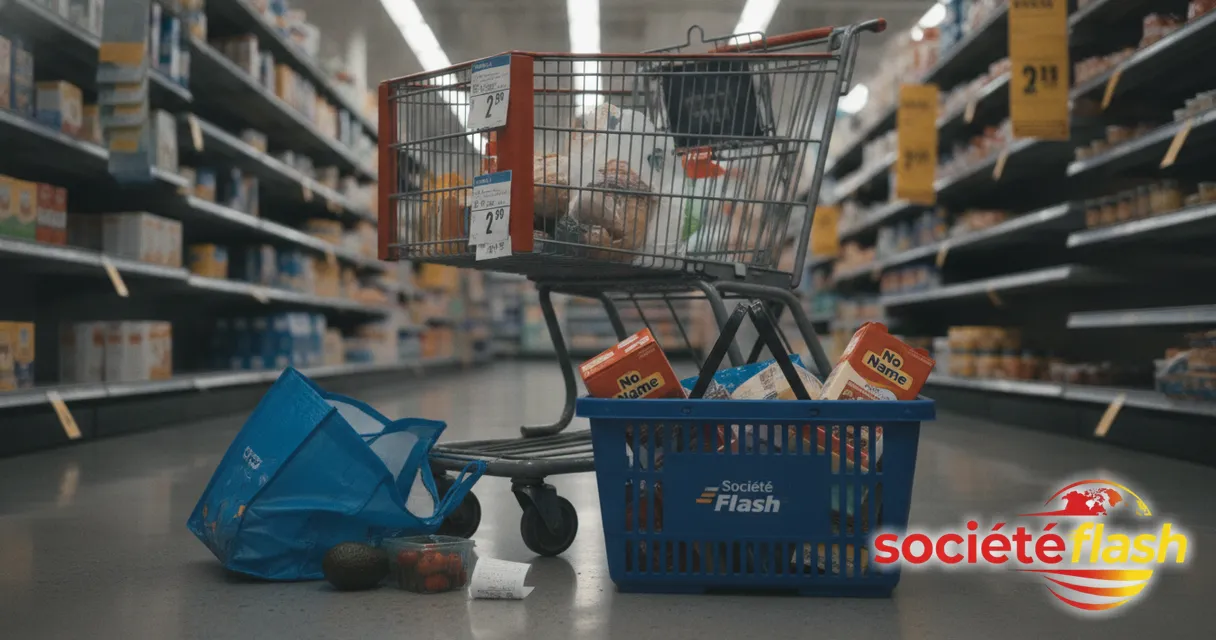
At a conference held at the Fairmont Royal York Hotel, Galen Weston, Chairman of Loblaw Companies, made a statement that challenges a widely held belief: grocers are not in control of food prices. According to The Star, Weston humorously noted that he was 'traumatized' by the public's outrage over this misconception.
Misconceptions and Their Impact on the Grocery Industry
Weston argues that the idea that grocery stores have control over food costs is a 'false narrative' that hinders the private sector's ability to foster prosperity in Canada. He emphasized that this misunderstanding severely damaged the reputation of the grocery industry during the high inflation period that followed the pandemic. In 2022, food inflation peaked at 11.4% year-over-year, straining household budgets significantly.
This financial pressure intensified public anger towards the country's major supermarket chains, culminating in a national boycott against Loblaw stores in 2024. This reaction underscores the profound impact that public perceptions can have on a business.
Weston's Argument: A Complex Value Chain
Weston highlighted that food prices are predominantly determined by costs along the supply chain, including energy, fertilizers, transportation, and agricultural production. He explained that grocers are merely the final link in this intricate chain. Therefore, even though consumers often hold retailers accountable for rising grocery bills, these retailers have limited capacity to influence shelf prices.
Operating with thin profit margins—about $1 profit for every $25 spent on groceries—retailers like Loblaw have constrained resources to make significant cost adjustments.
Reactions and Strategies for the Future
In response to this situation, Weston expressed the need for the industry to correct these erroneous narratives and to be more proactive in its communication. He admitted that the industry had not been vocal enough in explaining the underlying economic realities and acknowledged that fear had hindered these communication efforts. This realization has led him to encourage a more transparent and educational approach towards the public.
- Educating consumers about the food supply chain.
- Increasing transparency in communicating internal economic challenges.
- Proactively engaging with stakeholders to clarify misunderstandings.
FAQ
Why do consumers believe grocers control prices?
This belief often stems from the perception that grocers are the direct link between products and consumers, giving them immediate visibility over prices. However, the complexity of the supply chain is often overlooked.
How can grocers improve their public image?
By adopting a more transparent and educational communication strategy. This includes explaining the factors that influence product costs and actively participating in public discussions on economic issues.
What impact do profit margins have on retail prices?
Narrow profit margins limit retailers' ability to absorb cost increases in the supply chain, which can lead to price hikes for consumers.
Conclusion: Taking Action to Correct Perceptions
Galen Weston's statement on the inability of grocers to control prices highlights a significant challenge for the grocery industry in Canada. At Société Flash, we are committed to providing accurate information and helping businesses enhance their communication with the public. To explore how we can assist you in navigating this complex media landscape, contact us today.
Also Read