Tragic Fire at CFB Wainwright: A Known Disaster
Discover how the CFB Wainwright fire, known in advance, underscores the need for improved crisis management and real-time information systems.
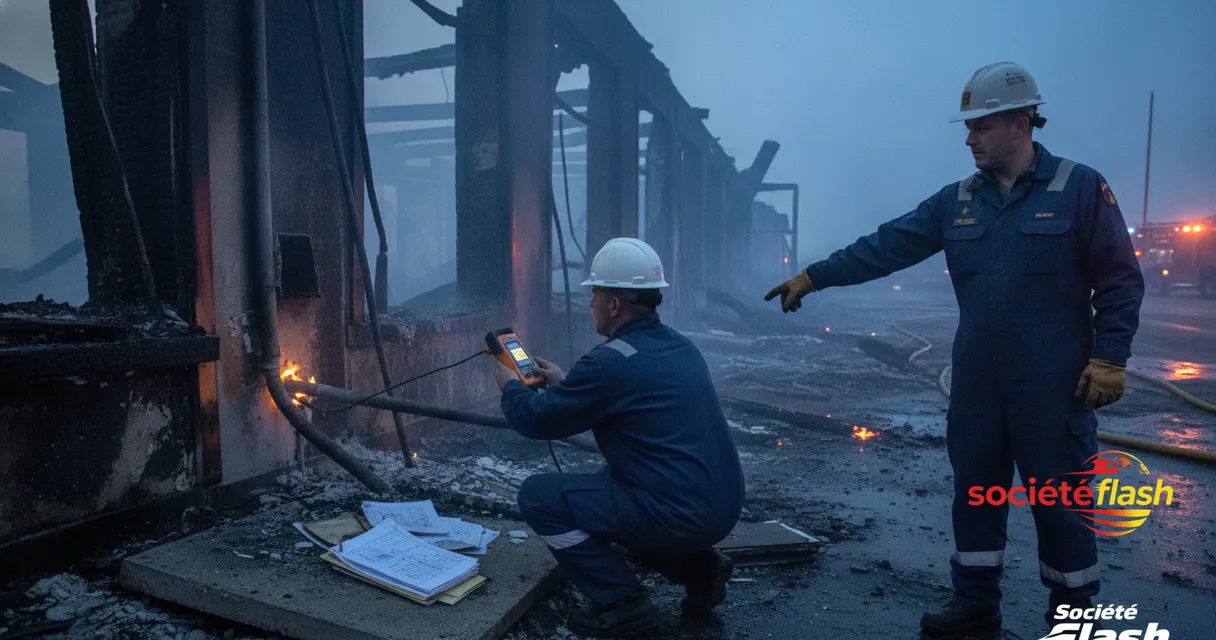
The devastating fire that engulfed the CFB Wainwright military base in Alberta has sparked widespread concern among Canadians. According to official reports, this fire was identified in advance but was allowed to spread, leading to tragic outcomes. This incident not only highlights the challenges in emergency management but also underscores the critical importance of real-time information for public safety.
Incident Details: Ignored Warnings Lead to Tragedy
On October 18, 2026, a fire broke out at the CFB Wainwright military base, resulting in the deaths of four soldiers and injuring 39 others. Authorities have admitted that the fire was known before it escalated into a catastrophe, but necessary measures were inexplicably delayed. This negligence had dramatic consequences, raising serious questions about the communication chain and responsiveness of the base's officials.
This tragedy brings to light the risks associated with delayed management of critical information. In a context where national security is at stake, emergency protocols must be optimized to prevent such losses. For those seeking more details, the full account of the event can be read here.
Strategic Opportunities for Improved Crisis Management
In the aftermath of this tragedy, there are significant opportunities to strengthen crisis management protocols. It is imperative to review and modernize communication and emergency response systems within critical infrastructures. Integrating advanced digital solutions could facilitate early detection and swift intervention, thereby minimizing the potential impacts of disasters.
Military and civilian leaders must collaborate to develop real-time information-sharing platforms that enable coordinated and effective responses to emergencies. This includes adopting technologies for fire detection and remote monitoring, which can provide early alerts and aid decision-making processes.
Implementation Tips for Crisis Management Solutions
To turn these opportunities into concrete actions, several steps must be considered:
- Assess Existing Systems: Conduct a comprehensive audit of current protocols to identify gaps and establish improvement priorities.
- Continuous Training: Investing in training personnel on new technologies and best crisis management practices is essential for effective implementation.
- Cross-Sector Collaboration: Partnerships between public and private sectors can foster innovation and the rapid adoption of new solutions.
- Transparent Communication: Ensure clear and open communication with the public to build trust and community engagement.
Conclusion
The fire at CFB Wainwright serves as a harsh reminder of the importance of timely information and responsiveness in disaster management. As a key player in delivering reliable news, Société Flash plays a crucial role in providing real-time updates and raising public awareness about safety issues.
To stay informed and contribute to building a more resilient society, we invite you to explore our services and join our community. Visit our contact page for any inquiries or collaborations.
FAQ
What impact did the fire have on the military community?
The fire resulted in the deaths of four soldiers and injured 39 others, leaving the community in mourning and raising questions about military infrastructure safety.
How can Société Flash assist in crisis management?
Société Flash provides real-time communication services, enabling organizations to react swiftly and effectively inform the public during crises.
What technologies are recommended for improving emergency management?
Early detection technologies, remote monitoring, and real-time information sharing platforms are crucial for effective emergency management.
Why is communication crucial during disasters?
Effective communication helps coordinate relief efforts, inform the public about dangers, and reassure affected communities.
Also Read