Israel "Rejects" US Plan for Gaza Accepted by Hamas - Radio-Canada
Discover the reasons behind Israel's rejection of the US plan for Gaza accepted by Hamas and the implications for peace in the region | Israel.
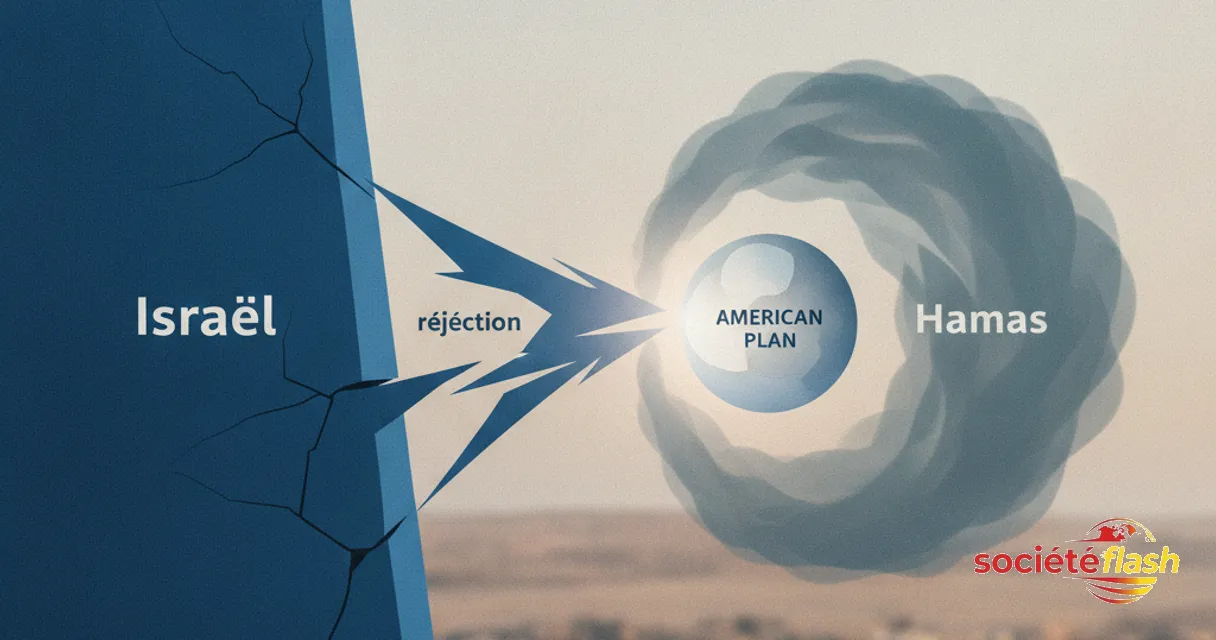
The recent announcement that Israel "rejects" the US plan for Gaza accepted by Hamas, reported by Radio-Canada, has sent shockwaves around the world. This decision raises critical questions about the future of peace in the region and highlights persistent tensions between Israel and Hamas. At Société Flash, we understand the importance of these geopolitical dynamics and their impact on today's societies. This article explores the causes and implications of this complex situation while proposing concrete solutions.
Context Behind the Israeli Rejection
Israel recently rejected a plan proposed by the United States—which had been accepted by Hamas—to manage the situation in Gaza. This plan aimed to establish lasting peace and improve living conditions in the region. Israel's rejection is seen as a potential setback to resolving the Israeli-Palestinian conflict, an issue that remains one of the most complex of our time. For more details on current tensions, see our article on tensions in the Middle East.
The reasons behind this rejection are multifaceted. On one hand, Israel cites national security concerns and the potential strengthening of Hamas if an agreement is reached. On the other hand, the Israeli government faces domestic pressure to maintain a firm stance against Hamas, which is classified as a terrorist organization by Israel and several other countries.
The Root Causes of the Conflict
The Israeli-Palestinian conflict dates back several decades and is rooted in deep ideological, territorial, and cultural divides. This rejection of the US plan can be seen as a manifestation of historical tensions between the two sides. For a deeper analysis, read our article on the crisis in the Middle East.
Economy and Living Conditions
The Gaza Strip, under blockade for over 15 years, suffers from a dire economic situation. Precarious living conditions fuel resentment and complicate any attempt at peace. The US plan could have provided some economic relief, but security considerations often take precedence in the region.
- Deteriorating living conditions and high unemployment
- Limited access to basic resources and services
- International pressure and a lack of sustainable support
Potential Paths Toward Peace
In light of this rejection, what are the possible avenues for moving toward peace? A multilateral approach involving stronger engagement from international actors could offer a solution. Negotiations need to be rethought to incorporate not only security aspects but also economic and social dimensions.
Cultural exchanges and economic development initiatives can also play a crucial role. Strengthening regional cooperation and intercommunity dialogue could help ease tensions and foster an environment conducive to peace. For examples of international cooperation, visit the United Nations website.
Société Flash's Role in Information and Analysis
At Société Flash, we are committed to providing in-depth, up-to-date analysis on critical issues like the Israeli-Palestinian conflict. Our articles are designed to shed light on complex topics and help our readers navigate often conflicting and confusing information.
We also offer consulting services for businesses seeking to understand the impact of geopolitical events on their operations. Our experts can help you develop informed strategies and mitigate potential risks associated with these dynamics. For more information, explore our article on Israeli strikes in Lebanon.
FAQ
Why did Israel reject the US plan for Gaza?
Israel primarily cites national security concerns and the risk of strengthening Hamas as the main reasons for its rejection.
What impact will this rejection have on the region?
The rejection could prolong the conflict, complicate peace efforts, and heighten tensions across the already volatile Middle East.
How can Société Flash help readers better understand these issues?
Société Flash provides detailed analysis and expert perspectives on geopolitical developments, helping readers and clients stay informed and prepared.
Conclusion
As a news and information platform, Société Flash serves as an essential resource for understanding the complex dynamics of international relations. To learn more about our geopolitical analysis services and how we can support you, visit our website or click here to explore our latest articles. Join us to stay informed on the events shaping our world.
Also Read