Libya's Ongoing Chaos 15 Years After Gaddafi
Explore Libya's persistent chaos 15 years after Gaddafi's fall. Learn about the intervention's impact and regional consequences.
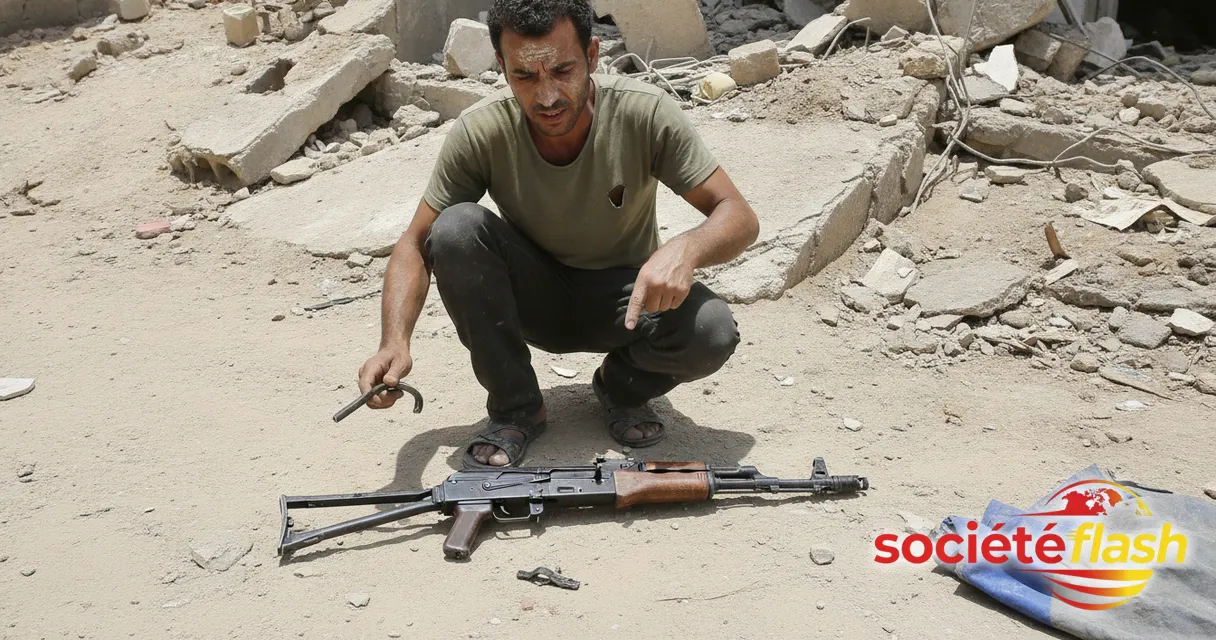
Fifteen years have passed since the fall of Muammar Gaddafi, yet Libya remains embroiled in a complex and volatile situation. The hope of a thriving democracy has faded, giving way to ongoing chaos. This article explores the aftermath of the 2011 intervention and its enduring impact on the region.
The Immediate Fallout of Gaddafi's Downfall
The capture and death of Gaddafi on October 20, 2011, marked a significant turning point in Libya's history. However, instead of stabilizing the country, this event plunged Libya into anarchy, with militias seizing control. These armed groups, refusing to disarm, have imposed their own rules, leading to widespread shortages, inflation, and power outages.
The UN's mandate in 2011 did not explicitly call for regime change, yet the reality on the ground unfolded differently. Libya's institutions were weakened, and despite its rich oil resources, the nation suffers from a lack of electricity and fuel. The purchasing power of Libyans has plummeted, and public services are in disarray.
Regional Impact: The Sahel in Crisis
Libya's chaos has spilled over its borders, affecting the broader region. Gaddafi's arsenals were looted, with weapons crossing into neighboring countries and fueling conflicts in the Sahel. In January 2012, the United Nations raised alarms about the proliferation of arms and the rise of terrorism, but decisive action was lacking.
The Malian crisis of 2012 directly illustrates these repercussions. The French military intervention in Mali in 2013 was aimed at combating armed groups inadvertently strengthened by Libya's chaos. This complex situation was highlighted by Sergei Lavrov, who pointed out to Laurent Fabius that French forces were confronting those they had armed in Libya.
International Security Challenges
The United Nations Security Council remains mired in mistrust stemming from the Libyan intervention. Russia and China, having witnessed the civilian protection mandate being stretched, vowed to prevent such occurrences in the future. This impasse complicates global efforts to address other crises, such as those in Syria and Ukraine.
Recognizing Past Mistakes
Former U.S. President Barack Obama acknowledged that the lack of post-Gaddafi planning in Libya was a grave error. This admission came five years after the intervention, and another five years later, the British Parliament formally recognized the mistakes made in 2011 in an official report.
The absence of post-war planning led to a drastic economic and social decline in Libya. Militia groups have found lucrative opportunities in ransom kidnappings, human trafficking, and drug smuggling, further destabilizing the region.
Lessons for Future Interventions
The international community must learn from the Libyan intervention. A more cautious and strategic approach is essential to prevent military interventions from becoming humanitarian and political nightmares.
Practical Guide: Avoiding Past Mistakes
- Thorough Pre-Intervention Analysis: Assess long-term potential consequences before deciding on military intervention.
- Post-War Planning: Establish a clear strategy for post-conflict reconstruction and stabilization.
- International Cooperation: Ensure close collaboration among nations to prevent the spread of arms and terrorist groups.
- Commitment to Diplomacy: Prioritize diplomatic solutions over military ones to resolve conflicts.
- Monitoring and Evaluation: Implement mechanisms to track and evaluate the long-term impact of interventions.
FAQ
Why is Libya still in crisis 15 years after Gaddafi?
Libya remains in crisis due to the lack of post-war planning and the rise of militias that have taken control of the country.
What impact did the Libyan intervention have on the Sahel?
The intervention led to a proliferation of weapons in the Sahel, fueling conflicts and contributing to a security crisis in the region.
How can the international community help stabilize Libya?
The international community can aid stabilization by supporting diplomatic solutions and strengthening Libyan institutions to restore governance and order.
What lessons can be learned from the Libyan intervention?
Ensuring post-conflict planning and prioritizing diplomatic approaches is crucial to avoid similar consequences in future interventions.
What role does the UN play in the Libyan crisis?
The UN plays a key role in facilitating dialogue and coordinating international aid efforts to stabilize Libya.
Conclusion
Ultimately, Libya's situation serves as a stark reminder of the perils of poorly planned military interventions. For more insights on international issues and their impacts, visit our World section and learn how Société Flash is committed to providing in-depth analyses. If you have questions or need more information, feel free to contact us.
Also Read