Linen Farming in Belgium: Challenges and Future Outlook
Explore the challenges and future prospects of linen farming in Belgium. Learn how producers are adapting to changing climates for sustainability.
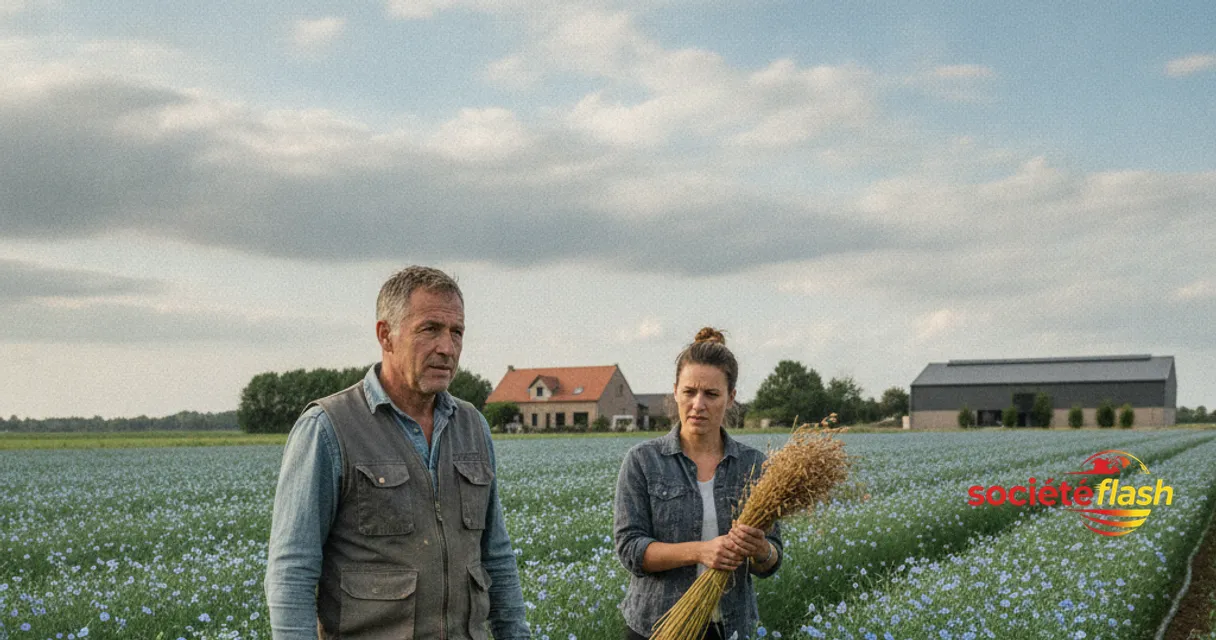
Linen farming in Belgium, especially in the Pecq region, is facing a challenging period. This year, producer Jean-Paul Vandenberghe described the situation as "reasonable," but warned that if the trend of the past three years continues, he might be forced to abandon this endeavor. This highlights the crucial challenges facing the linen sector and how producers can adapt to ensure the sustainability of their operations.
Current Challenges in Linen Farming
Linen production in Belgium is confronted with numerous challenges. Unpredictable weather conditions have made harvesting increasingly difficult. Jean-Paul Vandenberghe, a producer in Pecq, noted that the past three years have been particularly "disastrous" for spring linen. Temperature fluctuations and excessive rainfall have negatively affected the quality and quantity of the harvested fibers.
In 2023, Vandenberghe decided to plant winter linen for the first time. This variety, sown at a different time, benefits from a longer growth cycle, but it is not without risks. While winter linen can withstand temperatures down to -7 degrees, it is vulnerable to lower temperatures or excessive rainfall, which can cause the plants to yellow and potentially die.
Climate Impact on Production
Climate plays a crucial role in linen farming. A climate that is too hot and dry results in shorter plants, impacting fiber quality. Conversely, excessive rainfall can delay the retting process, essential for separating fibers from the stalk.
Belgian producers, like their counterparts in Normandy and Liège, must navigate these climatic extremes. Farmers like the Vandenberghes have had to adjust their farming methods and diversify their agricultural activities to survive.
Adaptation Strategies and Solutions
To address these challenges, linen producers must explore new adaptation strategies. Jean-Paul Vandenberghe, for example, has diversified his crops by incorporating vineyards. This diversification helps mitigate the risks associated with relying on a single agricultural variety.
Furthermore, modernizing agricultural techniques, such as improving storage infrastructure and adopting sustainable farming practices, can offer viable solutions. The Ministry of Agriculture provides informational and advisory services to assist farmers in navigating this changing climate.
The Role of Technology and Innovation
Technology and innovation present opportunities to enhance the resilience of linen farming. The adoption of weather forecasting technologies and crop management systems can help optimize yields. Additionally, research into new, more resilient linen varieties could provide long-term solutions.
Société Flash collaborates with experts to provide data and analyses that assist producers in making informed decisions and innovating in their agricultural practices.
Towards Sustainable Agriculture
Despite significant challenges, linen farming remains a cornerstone of the agricultural economy in Belgium. To ensure its sustainability, producers must adopt innovative and diversified strategies. Société Flash is a key partner, offering the necessary information and tools to help producers adapt to changing conditions and enhance their resilience.
For more information on our services or to discuss tailored solutions for your agricultural business, feel free to contact us.
FAQ
What makes linen farming challenging?
Linen farming is sensitive to climatic variations, particularly extreme temperatures and irregular precipitation, which affect fiber quality and yield.
How can producers improve their resilience?
By diversifying their crops, adopting advanced technologies, and enhancing storage infrastructures, producers can reduce risks associated with changing climatic conditions.
What role does Société Flash play in the agricultural industry?
Société Flash provides information and advice to help agricultural producers navigate a rapidly evolving environment, focusing on innovation and sustainability.
How is linen used after harvest?
The long fibers of linen are primarily exported to Asia for textile manufacturing, while the short fibers are used in paper production and automotive materials.
What are the future prospects for linen farming?
With ongoing innovations and adaptation to climatic conditions, this production could see an improvement in its resilience and long-term sustainability.
For more articles on the agricultural situation, visit our news section.
Also Read