Middle East: Trump Demands "Compensation" from Iran
Middle East: Donald Trump announces he will demand "compensation" from Iran. Analysis of the consequences for the region and international relations.
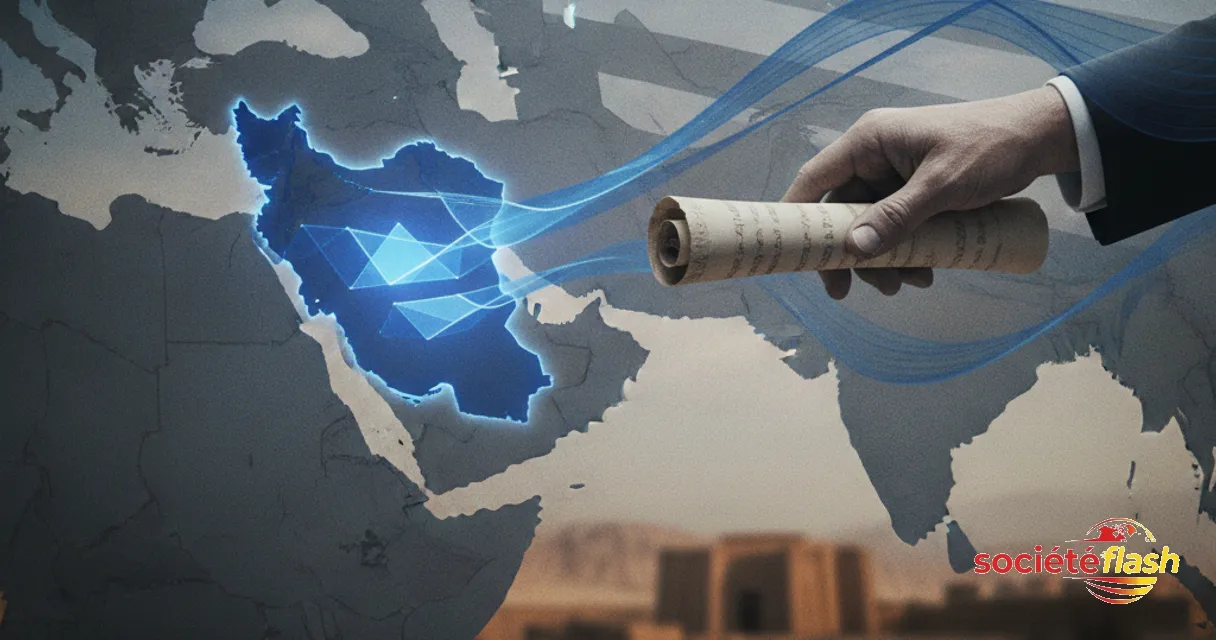
Relations between the United States and Iran continue to deteriorate, notably following Donald Trump's recent announcement. The U.S. president stated that the United States would demand "compensation" from the country for attacks carried out over several decades. This announcement has raised numerous questions and concerns, both internationally and across the region. In this article, we explore the implications of this statement and what it means for the future of relations between Washington and Tehran.
Context of Donald Trump's Statement
On August 10, 2026, Donald Trump took to his social media platform Truth Social to announce that his administration would demand "compensation" from Iran. This demand pertains to attacks the nation allegedly carried out abroad and on its own soil against protesters. The move comes amid already strained relations between the two countries, intensified by Iranian demands for U.S. reparations in exchange for unblocking the Strait of Hormuz.
Trump's statement comes as Iran made new appointments within the Islamic Revolutionary Guard Corps. Iranian Supreme Leader Mojtaba Khamenei appointed several new military officials, signaling a strategic reorganization of the armed forces. This development could significantly impact future negotiations between the two nations, particularly regarding regional security and ongoing conflicts in the Middle East.
Middle East: Stakes and Repercussions
Donald Trump's demand for compensation could have several repercussions for Middle East stability. On one hand, it could escalate tensions between Iran and its neighbors, such as Saudi Arabia, which have previously been targeted in strikes claimed by pro-Iranian Houthis. On the other hand, it risks complicating diplomatic efforts to reach a peaceful resolution to regional conflicts.
The economic implications are also noteworthy. For instance, oil prices jumped by 5% in response to concerns surrounding the Strait of Hormuz, a critical bottleneck for global oil transit. This price surge reflects market fears over a potential military escalation between the United States and Iran.
Comparing Positions: United States vs. Iran
- United States: Demanding compensation for historical attacks. Seeking to maintain economic and military pressure on the Islamic Republic.
- Iran: Demanding reparations to unblock the Strait of Hormuz. Conducting a military reorganization to reinforce its regional posture.
Both nations appear uncompromising in their respective demands, making a swift agreement unlikely. This standoff could exacerbate existing tensions and further complicate mediation efforts.
Best Practices for Negotiations
To achieve a peaceful solution, following established best practices in international negotiations is essential.
Establishing Open Dialogue
Open and transparent dialogue between parties is crucial to building trust and facilitating constructive talks. Diplomatic channels must be utilized to share perspectives and identify mutually acceptable compromises.
Engaging Neutral Mediators
Enlisting neutral mediators can help break deadlocks and generate innovative solutions to complex disputes. Mediators can facilitate discussions by providing an impartial perspective and assisting in de-escalating tensions.
FAQ
What does Donald Trump's demand for compensation mean?
Donald Trump is seeking compensation from Iran for attacks carried out against foreign targets and domestic protesters. This demand comes in response to Iranian calls for U.S. reparations to reopen the Strait of Hormuz.
What impact does this announcement have on the Middle East?
Trump's announcement could heighten existing regional tensions, particularly between Iran and its neighbors. It could also complicate ongoing diplomatic efforts aimed at resolving regional conflicts.
Why did oil prices rise?
Oil prices climbed due to market anxieties over a potential conflict between the United States and Iran, which could disrupt oil shipping through the Strait of Hormuz.
What are the new appointments in Iran?
Mojtaba Khamenei announced six new appointments within the Islamic Revolutionary Guard Corps. These changes aim to strengthen the country's military posture across the region.
How can the international community intervene?
The international community can play a vital role by facilitating negotiations, bringing in neutral mediators, and encouraging both sides to engage in dialogue to de-escalate tensions.
Conclusion
Donald Trump's statement demanding compensation from Iran marks a significant turning point in U.S.-Iran relations. It highlights the enduring challenges confronting the Middle East. To learn more about developments across the region, read our detailed reports, including how Israeli strikes in Lebanon threaten the truce with the United States and Iran's suspension of talks with the United States following Israeli strikes. To follow international news and understand geopolitical developments, visit Société Flash regularly and stay informed. For in-depth analysis, consult official reports from the UN.
Also Read