Optimizing Waste Collection Schedules in Northern France
Explore the optimization of waste collection schedules in Northern France, addressing local challenges and solutions for enhanced environmental efficiency.
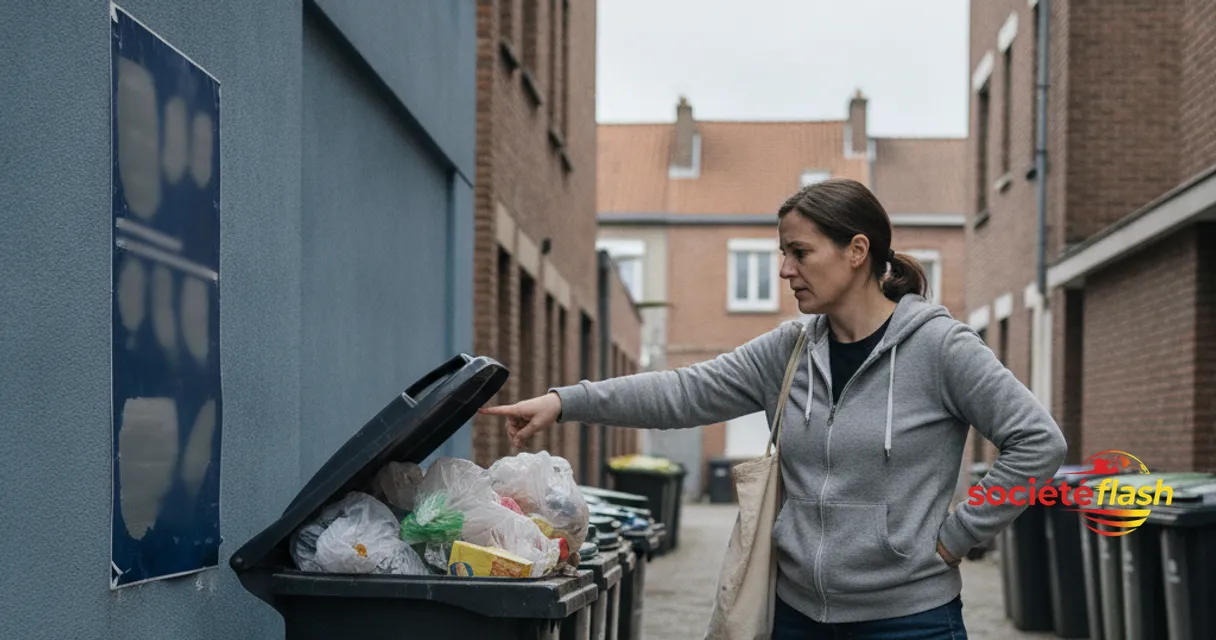
Effective waste management in the Northern France region is a significant challenge for local authorities. Understanding the waste collection schedules by local councils in Northern France is crucial to enhancing public service efficiency. This article delves into the current challenges, underlying causes, and proposes practical solutions to optimize waste collection in this area.
Challenges with Waste Collection Schedules
Waste collection schedules differ considerably across local councils in Northern France. This variability complicates the planning and optimization of resources allocated for waste management. Additionally, residents may express dissatisfaction if collections do not meet their specific needs frequently enough.
The environmental impact of inefficient collections is also a concern. Infrequent collections may lead to waste accumulation, increasing the risk of nuisances and pollution. Conversely, overly frequent collections can incur unnecessary costs without significant environmental benefits.
Causes of Collection Challenges
Several factors contribute to the issues related to waste collection schedules by local councils in Northern France. Firstly, the diversity of territories, from dense urban areas to more dispersed rural regions, complicates the task for local authorities. Urban areas generally require more frequent collections due to high population density, while rural areas can manage with less frequent schedules.
Moreover, budget constraints play a crucial role. Local councils often face limited budgets that restrict their ability to adjust collection frequencies. Lastly, the lack of precise and up-to-date data on the waste collection needs of each area complicates informed decision-making.
Solutions for Waste Collection Optimization
To address these challenges, several solutions can be considered:
- Data Analysis: Utilize available data to analyze the specific needs of each area, as suggested by this dataset on collection frequencies.
- Route Optimization: Plan collection routes to minimize mileage and maximize efficiency.
- Resident Awareness: Educate the public on the importance of waste sorting and collection days to reduce the volume of waste to be processed.
- Technology: Integrate smart technologies to adjust collection frequencies in real-time based on observed needs.
Moving Towards Optimized Management
By adopting these strategies, local councils in Northern France can significantly enhance the efficiency of their waste management services. For more insights into innovative waste management solutions, visit our Société Flash website or check out our society articles.
Optimizing waste collection schedules is not just an environmental necessity but also an opportunity to improve the quality of life for residents in the region. Don't hesitate to contact Société Flash to learn how we can help implement tailored solutions to your needs.
FAQ
Why is waste collection frequency important?
Waste collection frequency is essential to prevent waste accumulation, which can lead to odor issues, infestations, and environmental pollution.
How can local councils adjust their collection schedules?
Local councils can adjust their schedules by analyzing the specific needs of each area, optimizing routes, and using technologies to monitor waste levels.
What are the benefits of optimized collection?
Optimized collection helps reduce operational costs, improve public service efficiency, and minimize environmental impact.
Also Read