Ottawa's Threat of Forced Sale Over Stelco Job Cuts
Ottawa warns Cleveland-Cliffs of a forced sale if Stelco jobs aren't protected, highlighting tensions between U.S. trade policies and Canadian interests.
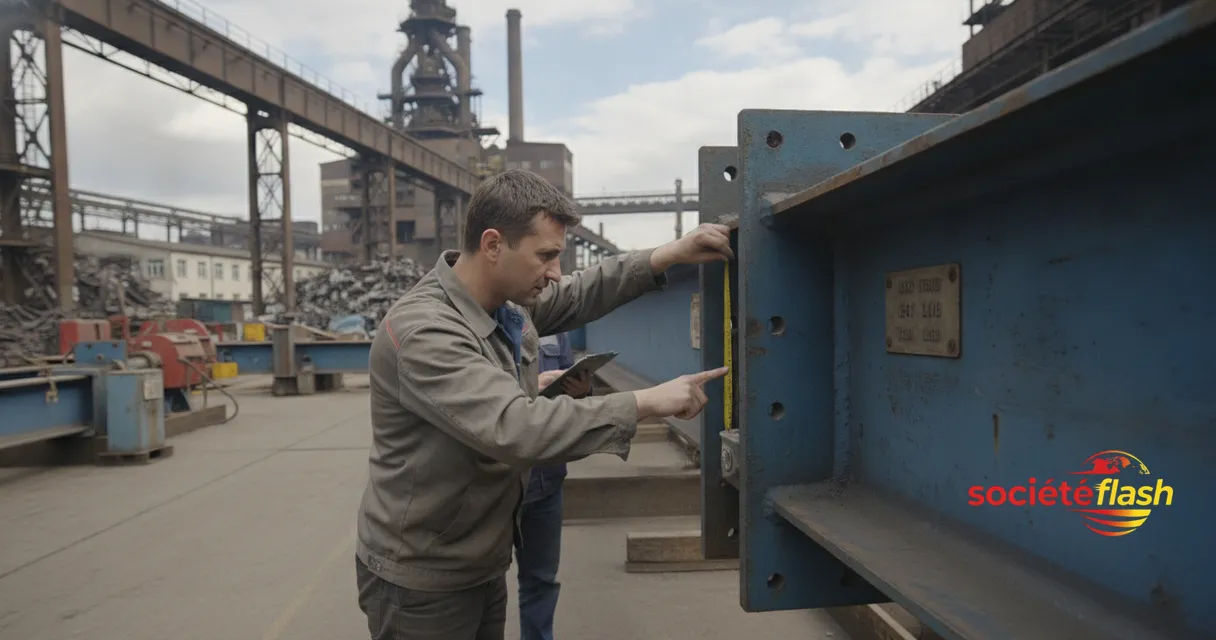
In a recent announcement, Canada's Minister of Industry, Mélanie Joly, issued a stern warning to Cleveland-Cliffs, the owner of Stelco, regarding potential layoffs in Hamilton. Ottawa is considering the drastic measure of a forced sale of Stelco's assets to ensure that jobs remain in Canada. This development highlights the ongoing tensions between U.S. trade policies and Canadian economic interests.
Importance of Protecting Canadian Jobs
Ottawa's warning brings to the forefront critical issues concerning job protection in Canada. Cleveland-Cliffs' support for U.S. tariffs could have adverse effects on the Canadian economy, particularly in the steel industry. The threat of a forced sale is extreme but deemed necessary to keep Hamilton's jobs within the country.
Job preservation is a key priority for the Canadian government, which faces the challenge of balancing international economic pressures with the need to safeguard its workforce. By taking action, Ottawa demonstrates its commitment to defending local economic interests against foreign corporate decisions that could harm the national economy.
Best Practices for Safeguarding Local Employment
Adopting best practices is essential to protect local jobs in uncertain economic climates. Here are some key strategies:
- Strengthening Trade Policies: Implement policies that promote fair trade and protect national industries from unfair tariff practices.
- Collaborating with Businesses: Encourage companies to invest in training and developing the skills of local workers.
- Boosting Innovation: Invest in research and development to maintain the competitiveness of Canadian industries.
These practices not only secure current jobs but also create an environment conducive to generating new employment opportunities.
Canada vs. U.S.: Different Approaches to Job Protection
The approaches of Canada and the United States to job protection differ significantly. Canada favors a collaborative approach, working with businesses to ensure local economic stability. In contrast, the U.S. has taken a more protectionist stance, imposing tariffs that can disadvantage trading partners like Canada.
Recent tensions, as evidenced by the threat of forced sale of Stelco's assets, underscore this divergence. This scenario echoes measures considered by the Trump administration, which once contemplated tariffs on Canadian products, threatening the local economy (read more here).
Conclusion
To navigate these economic challenges, it is crucial for Canadian businesses and policymakers to collaborate closely in order to preserve local jobs. Société Flash can help keep you informed about the economic and political developments impacting the Canadian economy. To learn more about our services and how we can support you during these uncertain times, contact us today.
FAQ
What is the forced sale threat concerning Stelco?
This is a measure suggested by the Canadian government to compel the sale of Stelco's assets if Cleveland-Cliffs fails to preserve Canadian jobs.
Why is there a conflict between Cleveland-Cliffs and Ottawa?
Cleveland-Cliffs' support for U.S. tariffs could jeopardize Canadian jobs, prompting Ottawa's response.
How does this situation impact the Canadian economy?
It could lead to significant job losses and weaken the steel sector in Canada, affecting the national economy.
What actions is the Canadian government taking?
Through Minister Mélanie Joly, the government has warned Cleveland-Cliffs about layoffs and threatens a forced sale of Stelco's assets.
How can I stay informed about economic developments?
To stay updated, follow news on Société Flash, which offers detailed analyses and regular updates on economic issues.
Also Read