The Biggest Threat to Canada's Arctic Sovereignty
Explore why the United States is the greatest threat to Canada's Arctic sovereignty and how Canada can respond to this challenge.
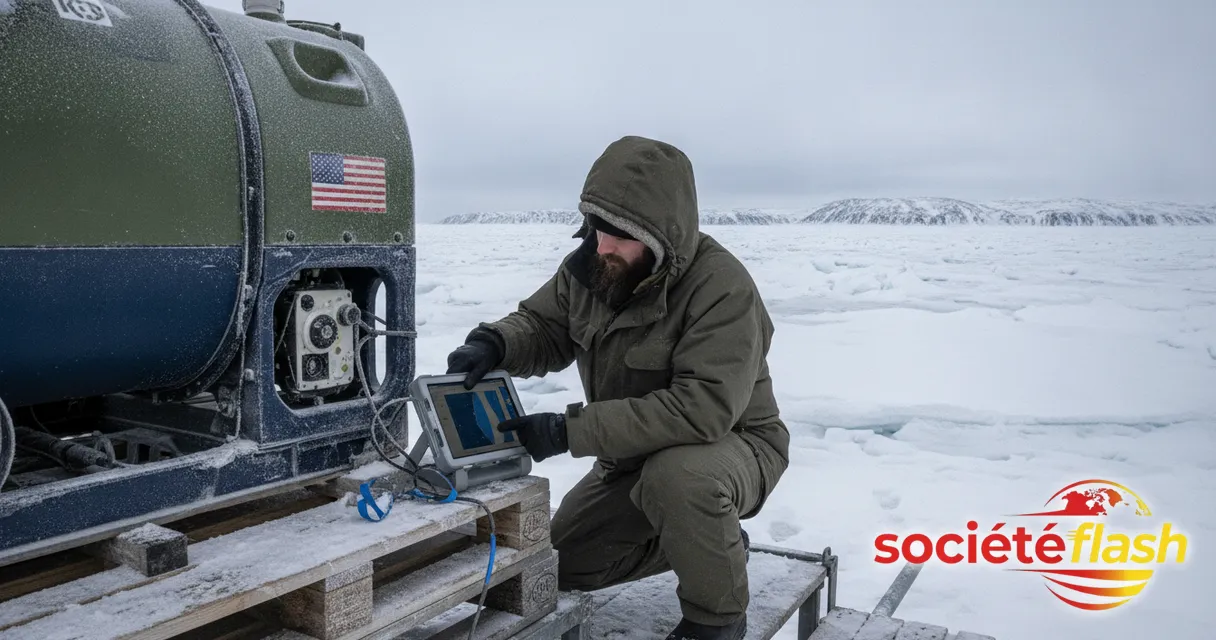
As global dynamics shift, Canada's Arctic sovereignty is becoming increasingly significant. While many point to Russia and China as primary threats, it's crucial to recognize that the United States poses the greatest threat to Canada's Arctic sovereignty. This article delves into the reasons behind this threat and explores potential responses from Canada.
Historical Claims in the Arctic
Canada acquired the Arctic Archipelago in 1880, but efforts to assert sovereignty began in earnest in the early 20th century. Captain Joseph-Elzéar Bernier placed plaques to mark the territory, and the Royal Canadian Mounted Police established remote posts after World War I.
During World War II, American presence increased with the construction of airstrips and weather stations to support a polar route. This presence grew during the Cold War with the establishment of radar stations to detect Soviet missiles.
Canada-U.S. Tensions
Tensions peaked in 1969 when the American supertanker SS Manhattan navigated the Northwest Passage without Canadian government permission. In response, Canada deployed icebreakers to assert its sovereignty. The 1985 incident with the USCGC Polar Sea further heightened tensions, leading to the 1988 Arctic Cooperation Agreement.
This agreement allows the U.S. to request permission to transit the passage, a request Canada has committed to granting. However, this does not settle the sovereignty issue, as the U.S. views the passage as an international strait.
Current Sovereignty Challenges
The commissioning of the Imnaryuaq in 2032 is pivotal for Canada. This icebreaker will replace the aging CCGS Louis S. St-Laurent, symbolizing Canada’s commitment to securing the passage. Simultaneously, the national shipbuilding strategy initiated by Stephen Harper aims to bolster regional presence.
Although the threat of annexation by the U.S. seems distant, former President Donald Trump's remarks about Canada as the 51st state remind us that the situation remains tense.
How Can Canada Protect Its Sovereignty?
Enhancing Military and Civil Capabilities
To counter threats, Canada must invest in military infrastructure and the economic and social development of Arctic regions. This includes launching programs for local populations, such as the Inuit, to strengthen national presence.
Diplomacy and International Cooperation
Canada should continue defending its stance internationally, collaborating with other Arctic nations. Multilateral forums and bilateral treaties are essential for clarifying territorial claims.
FAQ
Why are the United States considered a threat?
Historically, the U.S. has challenged Canadian Arctic sovereignty by using the passage without permission and asserting it as an international strait.
How can Canada assert its sovereignty?
Investing in military infrastructure, developing local communities, and employing diplomacy are key strategies for reinforcing its position.
How does the international community view these tensions?
The international community is often divided but generally acknowledges the need for clear rules for Arctic passages and the importance of regional cooperation.
Conclusion
The challenges to Canada's Arctic sovereignty are multifaceted and require a comprehensive approach. Société Flash is dedicated to informing and raising awareness about these pressing issues. To stay updated and explore our in-depth analyses, visit our news page or contact us for more information.
For a broader perspective on Canada-U.S. relations, you can also read our article on the tariffs considered by the Trump administration.
Also Read