Protest Bans in Paris, Lille, Grenoble, and Lyon
Learn why protests are banned in Paris, Lille, Grenoble, and Lyon. Stay informed with Société Flash on these significant public safety measures.
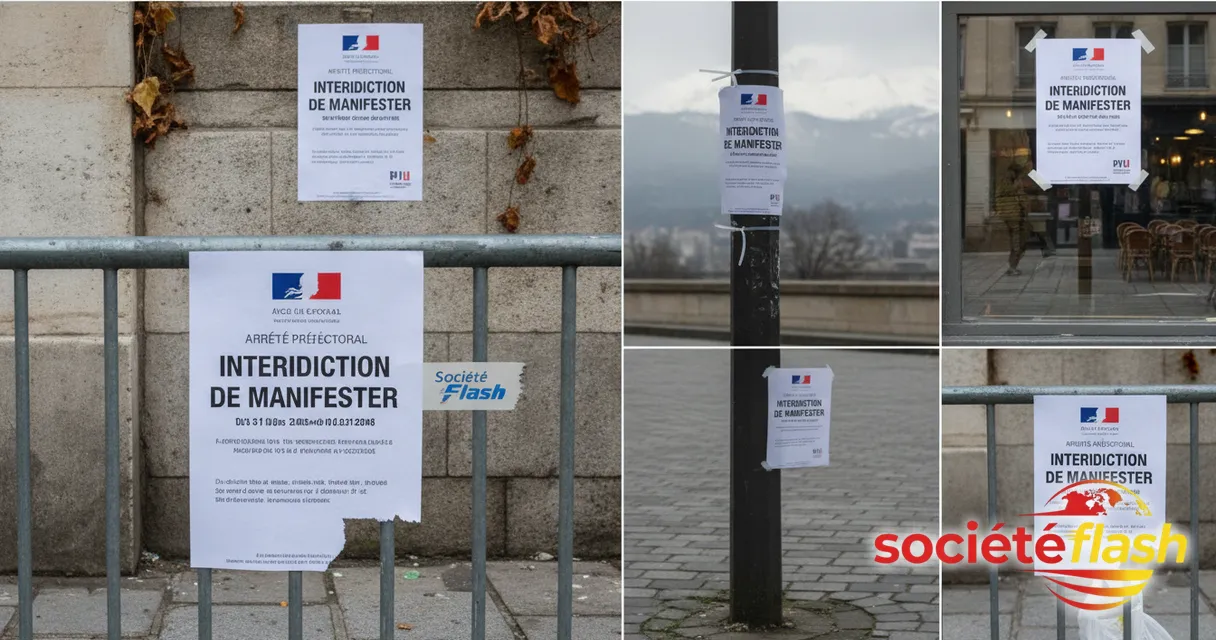
Recent bans on protests in Paris, Lille, Grenoble, Lyon, and other major French cities have captured significant public attention. Announced on October 21, 2026, these measures respond to the violent disruptions and looting that have marred previous social demonstrations. In this article, we will explore the reasons behind these bans, their potential impact, and how citizens can stay informed through Société Flash.
Why Are Protests Being Banned?
The bans on protests in Paris, Lille, Grenoble, and Lyon have been put in place due to the risk of unrest from violence and looting observed during recent social mobilizations. In Paris, for example, the police prefecture issued an order prohibiting gatherings in key areas of the capital, such as near the Élysée Palace, Matignon, and tourist hotspots like the Champs-Élysées and the Louvre Museum.
In Lyon, a planned protest by the Unef and the New Anti-capitalist Party (NPA) was also prohibited. The Rhône prefect made this decision to prevent violence that had previously erupted during demonstrations against the high cost of living.
Areas Affected by the Bans
The bans cover extensive urban zones. In Paris, they include areas like Place de la Bastille, République, and the Halles district. In Grenoble, all gatherings are banned in the city center until October 25.
These extensive measures reflect the authorities' intent to prevent disturbances in areas that are usually bustling with activity. The decision to include tourist hotspots is particularly significant, highlighting concerns about both visitor safety and preserving the city's global image.
Impact on Citizens
These bans directly affect citizens and organizations seeking to voice their demands. Students, particularly those from the Interfac IDF, find their protests canceled, limiting their ability to be heard. In Lille, the measures also impact the neighboring commune of Wattignies, affecting a large population.
Nevertheless, the bans primarily aim to ensure public safety. Authorities seek to prevent new violent incidents and protect property and people. This dual focus on immediate safety and long-term peace underscores the complex balance officials must strike between maintaining order and respecting civil liberties.
Staying Informed
To stay informed, citizens can visit reliable news portals like the News section of Société Flash. Our platform offers regular updates and detailed analyses of ongoing events, ensuring that you remain updated on developments as they happen. With our comprehensive coverage, you will never be out of the loop.
Comparing With Previous Measures
Comparing these bans to past measures reveals an intensification of restrictions. Previously, bans were often limited to specific areas or particular events. Today, they cover entire cities and extend over several days.
- Paris: Targeted bans on key sectors such as government and tourist areas.
- Lyon: Focused on preventing violence in high-risk areas like Bellecour.
- Grenoble: Extended measures to protect the city center until the end of the weekend.
These measures reflect an increased effort to contain risks but also raise questions about the right to protest. The broader scope of these bans signifies a shift in how authorities are managing public demonstrations, emphasizing a proactive rather than reactive approach.
FAQ
What Are the Main Reasons for the Bans?
The bans are primarily motivated by the violence and looting during recent protests, aiming to ensure public safety.
How Do These Bans Affect Students?
Students, like those from Interfac IDF, find their protests canceled, limiting their ability to express concerns.
What Additional Security Measures Are Planned?
The Ministry of the Interior plans to deploy armored vehicles, Sentinelle military forces, and elite police and gendarmerie units.
How Can People Stay Updated on Changes?
Citizens can follow updates through Société Flash, which offers detailed analyses and real-time news.
Are There Precedents for These Types of Bans?
Yes, similar bans have been enacted in the past, though recent measures are more extensive and cover longer periods.
Conclusion
The protest bans in Paris, Lille, Grenoble, Lyon, and other French cities are significant measures aimed at ensuring public safety. While they temporarily restrict the right to protest, they are intended to prevent further violent incidents. To stay updated and understand the development of these measures, we invite you to visit our site Société Flash and explore our dedicated news section. For any questions or to get in touch with us, please use our contact page.
Also Read