Mandatory Microchip Regulation for Pets in Europe
From 2026, mandatory microchips for pets in Europe aim to combat trafficking and improve welfare. Learn how to comply and benefit.
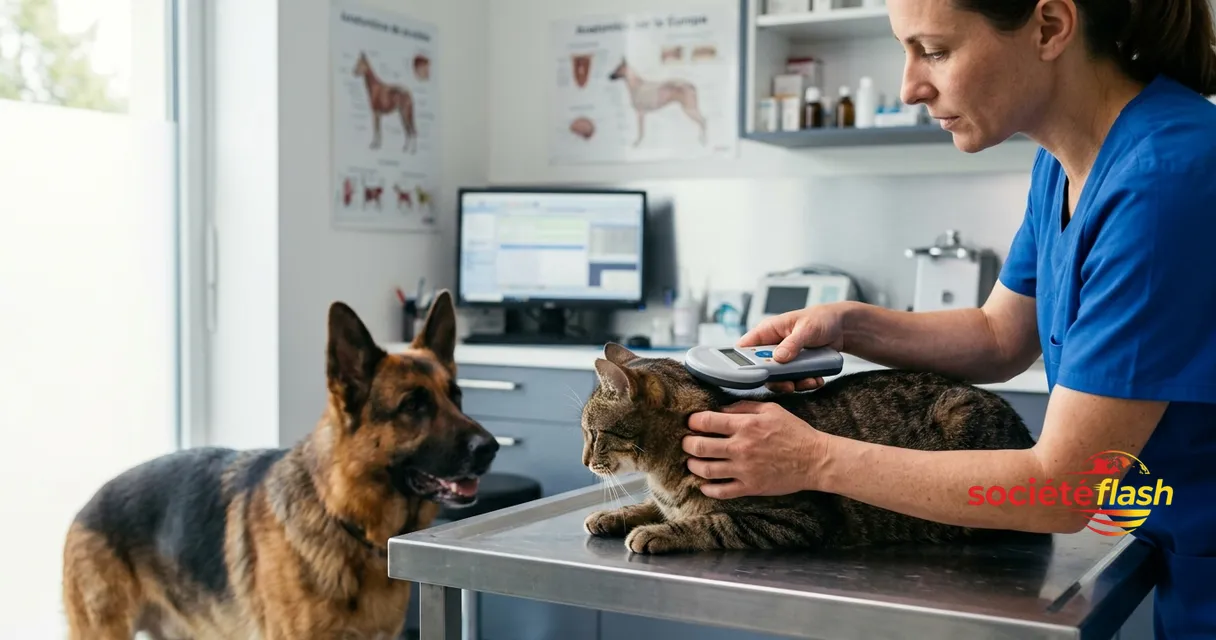
Starting August 10, 2026, the European Union will implement a new regulation requiring all dogs and cats in Europe to have a microchip. This initiative aims to standardize animal traceability practices across the continent to combat animal trafficking and enhance animal welfare. It is essential for pet owners and professionals to understand these new requirements to remain compliant with the law.
Why Is This Regulation Necessary?
Previously, the rules for identifying pets varied significantly from one European country to another. This geographical disparity made it easier for illegal animal trafficking and trade to occur, leading to numerous animal welfare and public health issues. The new EU law aims to standardize these rules, ensuring more stringent traceability and better animal protection.
For instance, in France, microchipping has been a legal requirement for several years, thanks to the national ICAD database. However, not all EU member states had adopted similar measures, complicating cross-border animal control.
Strategic Opportunities for Professionals
The new legislation presents exciting opportunities for those in the animal industry, including breeders, pet store owners, and shelters. These professionals have until August 31, 2030, to comply with the new requirements, giving them ample time to train their staff and adapt their facilities to incorporate these changes.
Professionals should begin preparations now to gain a competitive edge in the long term. By being among the first to adopt these new standards, they can position themselves as leaders in animal welfare and protection.
How to Implement Microchipping?
To comply with this new regulation, dog and cat owners will need to follow several crucial steps. First, they must ensure their pets are equipped with a microchip that meets European standards. This microchip must be registered in a national database within five business days after bringing an animal into the EU.
Those who already own pets will have longer transition periods: until August 31, 2036, for dogs and until August 31, 2041, for cats. This provides sufficient time to adapt to the new requirements without rushing.
- Register the microchip in the national database
- Comply with the new deadlines for conformity
- Keep up with regulatory updates to stay informed
Regulation and Animal Welfare
In addition to the microchip requirement, the new European law enforces strict animal welfare standards. Procedures for cosmetic purposes, such as ear cropping or tail docking, are now banned throughout Europe. Moreover, breeding is more strictly regulated to prevent inbreeding and the selection of overly exaggerated traits.
The new rules also prohibit permanent caging and prolonged tethering of animals. Dogs must have daily access to the outdoors to support their well-being and physical health.
For more details on the implications of this regulation, you can read this comprehensive article.
FAQ
What are the penalties for non-compliance?
Penalties for non-compliance with this regulation vary by EU member country. It is crucial to check local legislation to avoid fines or restrictions.
How do I know if my pet is already compliant?
If your pet has a microchip registered in a national database, you do not need to take additional steps. Verify the details with your veterinarian to be sure.
What are the benefits of this regulation for animals?
This regulation aims to enhance animal welfare by ensuring better traceability and protection. It helps reduce illegal trafficking and promotes more ethical breeding practices.
Conclusion
The introduction of mandatory microchipping for all dogs and cats in Europe is a significant step forward for animal protection. Pet owners and professionals should start preparing now to comply with these new requirements. Stay updated on the latest news about this and more by regularly visiting our news section on Société Flash. For any questions or support, feel free to contact us.
Also Read