Driving in Rain: Speed Cameras and Safety Rules
Explore how speed cameras operate in rain, the risks involved, and how Société Flash helps keep you informed and safe.
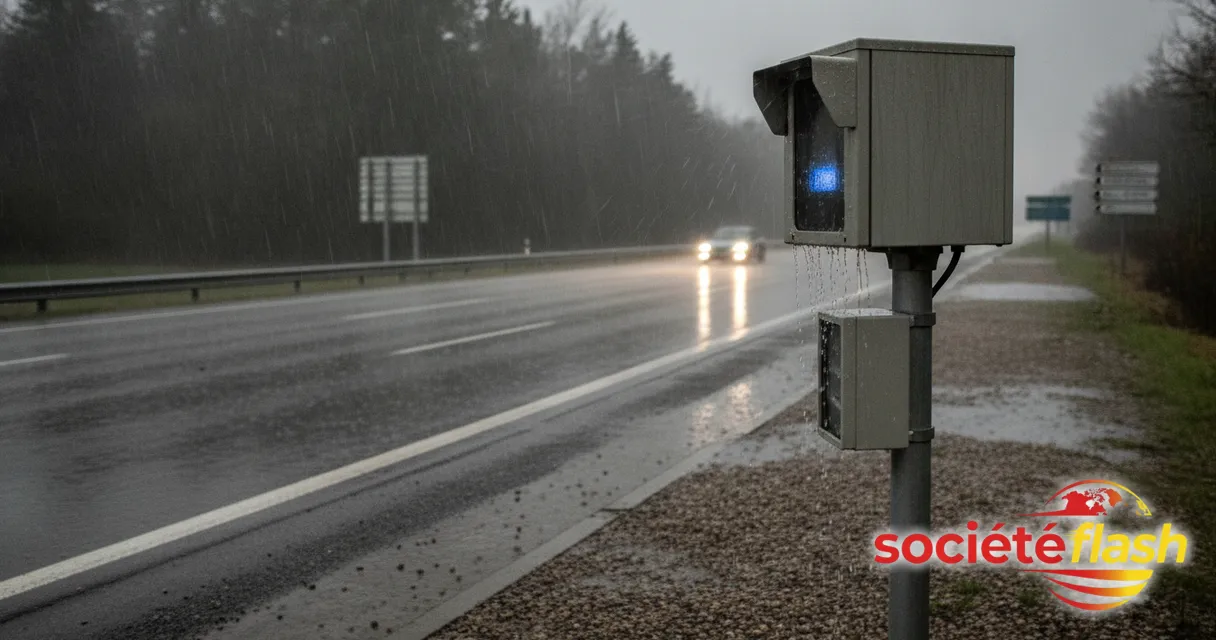
Driving in the rain presents unique challenges and questions for motorists, especially regarding speed cameras and traffic regulations. What are the rules when it comes to driving in adverse weather conditions, and what risks do drivers face if they exceed speed limits while it's raining? In this article, we explore the impact of automatic speed cameras during rainy conditions and how Société Flash can keep you informed and safe on the road.
Understanding Speed Cameras: What You Risk When It Rains
According to Caradisiac.com, traffic regulations adjust when it's raining. On highways, the speed limit drops from 130 km/h to 110 km/h, and on expressways, it decreases to 100 km/h from 110 km/h. Roads outside urban areas see their speed limits reduced to 80 km/h. However, current automatic speed cameras don't adapt to weather conditions. Therefore, while caution is advised, you won’t necessarily be flashed for speeding as long as you adhere to the legal limits.
Current Speed Camera Technologies
Traditional automatic speed cameras do not account for road conditions, whether dry or wet. Although new smart cameras are being developed to detect various infractions like running red lights or not wearing seat belts, none can yet assess road conditions. By 2027, 710 of these advanced devices are expected to be installed across France, but their high cost makes widespread updates challenging.
Why Adjusting Your Speed in the Rain Matters
Rain significantly affects driving conditions. Tire traction decreases, extending stopping distances by approximately 1.5 times. The risk of hydroplaning also increases, making driving more hazardous. Additionally, visibility is often reduced in rainy weather, necessitating increased driver vigilance.
- Reduced tire traction
- Extended stopping distances
- Increased risk of hydroplaning
- Reduced visibility
Conclusion: How Société Flash Can Assist You
At Société Flash, we recognize the importance of staying well-informed about road regulations and emerging technologies. Our news portal, accessible through our website, provides regular updates on road safety innovations and tips for safe driving. For more information, feel free to contact us. Stay informed and drive safely, even when it's raining.
FAQ
Do speed cameras flash in the rain?
No, current automatic speed cameras do not detect rain and do not adapt to weather conditions. They only flash for speed violations against set legal limits.
Can smart cameras detect road conditions?
Not yet. While smart cameras are being developed, they do not measure road conditions. They focus on other violations like speeding and ignoring traffic signals.
Why is it important to slow down in the rain?
Slowing down in the rain is crucial for safety. Rain reduces tire grip, extends stopping distances, and increases the risk of hydroplaning, which can lead to accidents.
Also Read