Tear Gas Health Risks During Protests
Explore the health risks of tear gas during protests in 2026, including immediate and long-term effects. Learn how to protect yourself effectively.
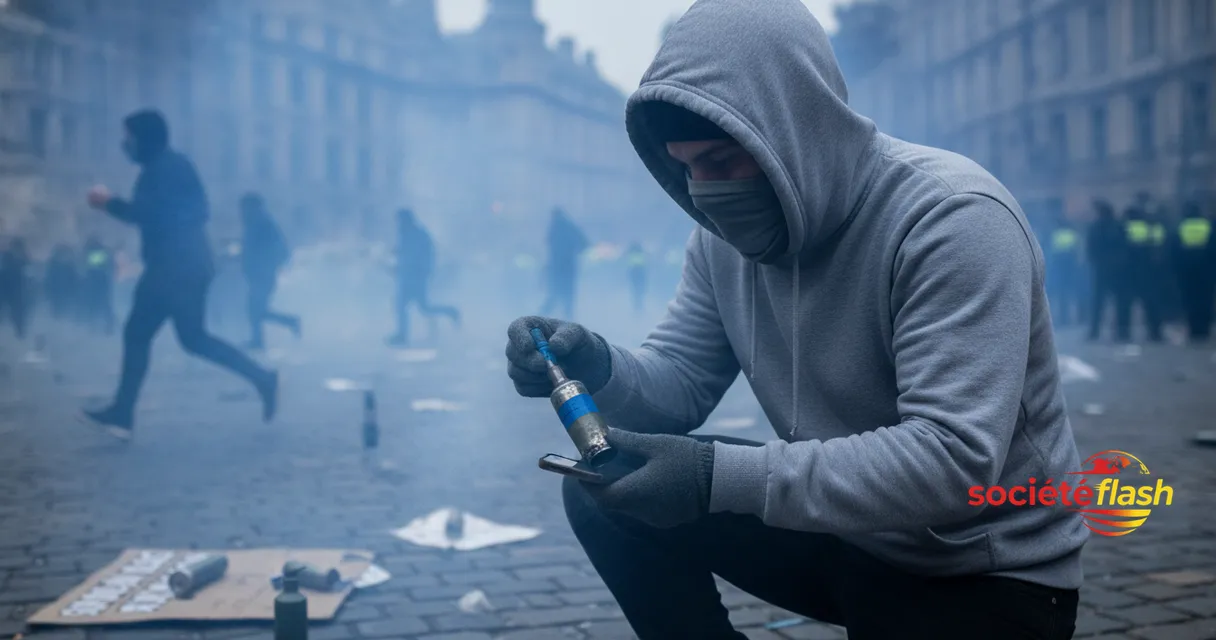
With the rise of protests globally, the use of tear gas by law enforcement has become an increasing concern. Tear gas, particularly 2-chlorobenzylidene malononitrile (CS), is known for its immediate but temporary incapacitating effects. However, the pressing question remains: What are the health risks of tear gas exposure during protests? This article delves into the effects of these chemical agents and the precautions to take.
Understanding Tear Gas
Tear gas is deployed to disperse crowds during demonstrations. It emits a white smoke with a pungent odor that irritates the throat and nose. The effects of tear gas are intended to be immediate and short-lived. Reports indicate that symptoms typically subside 15 to 30 minutes after leaving the exposure area and undergoing decontamination.
The gas works by irritating the mucous membranes of the eyes, mouth, throat, and lungs, causing temporary discomfort. However, prolonged or high-dose exposure can lead to more severe complications, such as serious burns and respiratory failure. The National Gendarmerie's research center highlights that individuals with pre-existing respiratory conditions are particularly susceptible.
Long-Term Risks: What Do We Know?
While the immediate symptoms of tear gas are well documented, its long-term effects are less understood. The Centers for Disease Control and Prevention (CDC) in the U.S. note that intense or prolonged exposure can cause eye injuries such as glaucoma or cataracts, as well as chronic respiratory issues like asthma. These risks are heightened when exposure occurs in confined spaces.
It is important to note that while chronic effects are rare, they cannot be completely ruled out, especially for those frequently exposed, such as regular protesters or law enforcement personnel.
Precautions and Immediate Actions
Move Away from the Area Immediately
The primary action after exposure is to exit the contaminated area. This reduces exposure and the severity of symptoms. The CDC also recommends removing contaminated clothing and washing the skin with soap and water.
Cleaning Eyes and Respiratory Passages
For eye burns or blurred vision, rinsing with clear water for 10 to 15 minutes is advisable. If symptoms persist, consulting a physician is crucial, especially if respiratory difficulties arise.
How Société Flash Can Support You
At Société Flash, we provide comprehensive and reliable coverage of current events, including protests. As a news portal, we are committed to delivering accurate and up-to-date information on public health risks. Visit our news section to stay informed.
If you have any questions or require further information, do not hesitate to contact us. Our team of experts is here to help you navigate these complex topics and make informed decisions.
FAQ
What are the immediate effects of tear gas?
Immediate effects include irritation of the eyes, throat, and respiratory tract, leading to tearing, coughing, and a burning sensation.
Are tear gas effects dangerous in the long term?
Long-term effects are rare, but prolonged exposure can cause eye damage and chronic respiratory problems.
What should I do after tear gas exposure?
Leave the area, remove contaminated clothing, wash your skin, and rinse your eyes with clear water. Seek medical attention if symptoms persist.
Are asthmatic individuals at higher risk?
Yes, individuals with pre-existing respiratory conditions are more vulnerable to the effects of tear gas.
How can I protect myself during a protest?
Wear protective goggles, a mask, and stay informed through reliable sources like Société Flash.
For more insights, visit our blog for related articles such as risks in crowdfunding real estate and differences between helium and nitrous oxide. Our goal is to keep you informed on topics that matter to you.
Also Read