Stephen Harper's Insights on Vladimir Putin
Explore Stephen Harper's views on Vladimir Putin and the complex dynamics between Western leaders and Russia, offering strategic insights for businesses.
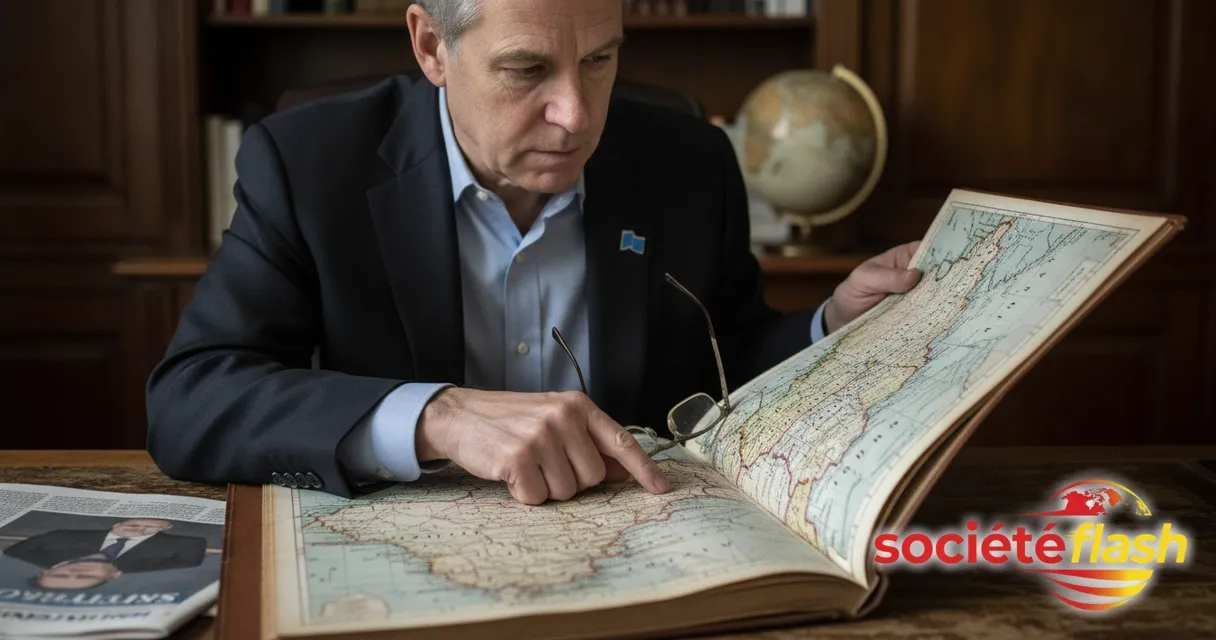
Stephen Harper, the former Prime Minister of Canada, has recently shared his thoughts on Vladimir Putin, describing the Russian leader as "truly evil" in his memoir Here for Canada: Memoirs of the 22nd Prime Minister. This perspective sheds light on the complex dynamics between Western leaders and Russia under Putin's presidency, drawn from years of diplomatic and personal interactions.
Stephen Harper: A Diplomatic Journey Marked by Distrust
Harper began his term as Canada's Prime Minister with an optimistic view of Russian-Western relations. He hoped that Russia, after a tumultuous post-Soviet decade, could integrate into Western diplomatic circles. However, as reported by The Globe and Mail, his hopes quickly faded as he observed Putin's actions, particularly regarding support for Assad's regime in Syria and military incursions.
Growing Tensions at International Summits
Harper recounts that his interactions with Putin began to seriously deteriorate during the 2012 APEC summit. A direct confrontation in Vladivostok marked a pivotal moment, where Harper openly criticized Putin for his unwavering support of the Syrian regime. This event led Harper to adopt a more blunt and direct approach in his dealings with Putin, effectively ending any diplomatic pretenses.
Strategic Opportunities for Businesses and Media
The international tensions highlighted by Harper underscore the importance for businesses and media to better understand geopolitical dynamics. Companies can leverage this knowledge to adjust their market strategies, while media outlets like Société Flash play a crucial role by providing in-depth and contextual analysis of global events.
- Risk Analysis: Understanding the implications of international tensions on financial markets and supply chains.
- Strategic Adaptation: Adjusting business strategies in response to geopolitical developments to minimize risks.
- The Role of Media: Delivering reliable information and analysis to enlighten the public and decision-makers.
Tips for Effective Implementation
To effectively manage the impacts of international tensions, businesses and media must adopt a proactive approach. Here are some tips:
Continuous Risk Assessment
It is crucial for companies to establish systems for monitoring geopolitical risks. This includes collaborating with experts to anticipate potential changes in the global political landscape.
Strengthening Diplomatic Networks
Businesses should strengthen their relationships with international partners to navigate periods of instability. This may involve strategic alliances and market diversification.
FAQ
What is Stephen Harper's stance on Vladimir Putin?
According to his memoirs, Stephen Harper views Vladimir Putin as "truly evil" due to his deliberate actions that harm Russia and the world.
How can businesses manage geopolitical risks?
Businesses need to implement risk monitoring systems and strengthen international relationships to navigate instability more effectively.
What role do the media play in analyzing international tensions?
Media outlets, such as Société Flash, provide in-depth and contextual analyses of global events, helping the public and policymakers better understand complex issues.
Conclusion: Explore Société Flash's Analyses
In summary, Stephen Harper's reflections on Vladimir Putin offer a fascinating insight into modern diplomatic challenges. For readers interested in deepening their understanding of global issues and their impact on business and media, Société Flash provides detailed analyses and unique perspectives. Feel free to contact us to discover how our expertise can help you navigate this complex world.
Also Read