The Forgotten Paris Roundup of August 20, 1941
Explore the overlooked Paris roundup of August 20, 1941, its impact, and why it's overshadowed by other events. Discover its historical significance.
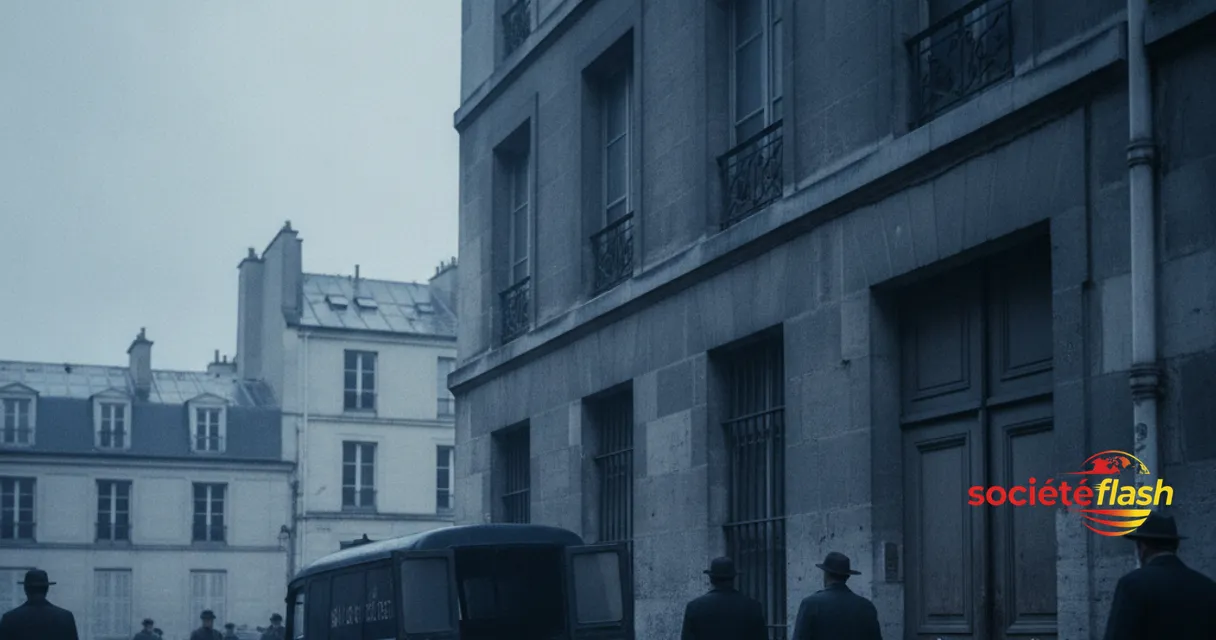
The roundup of August 20, 1941, in Paris represents a tragic yet often overlooked chapter in the city's history during World War II. This operation, carried out in the 11th arrondissement, primarily targeted Jewish men. Despite its significance, it hasn't imprinted itself on collective memory as deeply as the infamous Vel' d'Hiv roundup. The forgotten roundup of August 1941 deserves renewed focus to better understand its impact and the circumstances surrounding it.
Historical Context and Motivations
On August 20, 1941, Paris was under German occupation, and the French police executed an operation ordered by the German authorities. This action aimed to arrest 6,000 Jewish men aged 18 to 50, occurring in the broader context of Operation Barbarossa and the heightening of Nazi repressive policies. The orders came directly from the German Military Commander in France, bypassing the French government.
The roundup was meticulously planned by the Gestapo's Jewish Affairs Department and executed by the Paris municipal police. Arrests took place in homes and on the streets, with blockades set up in targeted areas, particularly in the densely populated Jewish quarters of the 11th arrondissement.
The Operations of the Roundup
The operation kicked off early in the morning, deploying 2,400 French police under the supervision of the Feldgendarmerie. Equipped with identity cards, the police were tasked with carrying out the arrests effectively. Metro stations like Charonne, Voltaire, Saint-Ambroise, and Oberkampf were closed to prevent escape. By the evening of August 20, 3,022 Jews had been detained, a figure deemed insufficient by Theodor Dannecker, Adolf Eichmann's representative. Arrests continued over several days, culminating in 4,230 individuals being apprehended.
Consequences for the Detainees
Those arrested were sent to the Drancy internment camp, hastily established in an unfinished building. Situated in the Cité de la Muette, this camp became a gathering point for Jews before deportation to extermination camps. The living conditions were harsh, characterized by hunger and exhaustion, as recounted by interned survivor Jacques Angel in his memoirs.
Comparison with the Vel' d'Hiv Roundup
The August 1941 roundup is frequently compared to the Vel' d'Hiv roundup of July 1942. While the latter involved the arrest of entire families, including women and children, making it more notorious, the August roundup remains the second largest in France targeting Jews. Both events highlight the collaboration between French authorities and German occupiers in the persecution of Jews.
- August 20, 1941 roundup: 4,230 men arrested, mainly in the 11th arrondissement.
- Vel' d'Hiv roundup: Approximately 13,000 people arrested, including entire families.
- Both roundups resulted in detainees being sent to Drancy before deportation.
The Importance of Memory and Tribute
Remembering the August 1941 roundup is crucial for honoring the victims and acknowledging the tragedy's scale. Collective memory plays a vital role in preventing past mistakes and educating future generations. As previously explored in our piece on urban space transformation, preserving historical heritage is essential for understanding contemporary society.
FAQ
Why is the August 20, 1941 roundup less known than the Vel' d'Hiv roundup?
The August roundup focused mainly on Jewish men, while the Vel' d'Hiv roundup's broader scope, including women and children, had a more significant impact on public consciousness.
What role did the French police play in the August 20, 1941 roundup?
The French police carried out the German authorities' orders by arresting Jewish men based on pre-established identity files, without any intervention from the French government.
What were the long-term impacts of this roundup on Paris's Jewish community?
The roundup led to the deportation and extermination of many Parisian Jews, leaving a lasting void in the city's social fabric.
Conclusion
The roundup of August 20, 1941, serves as a poignant reminder of past horrors that must not be forgotten. At Société Flash, we are committed to illuminating lesser-known historical events and keeping memory alive through our reports and analyses. Explore more articles on current affairs and history in our news section and visit our website for more information. Together, let's continue to preserve memory and share the truth.
Also Read