Wildfires: Ottawa and Canadian Armed Forces Ready to Respond - Radio-Canada
Wildfires: Ottawa and the Canadian Armed Forces ready to respond - Radio-Canada. Discover the measures being taken to tackle forest fires in 2026.
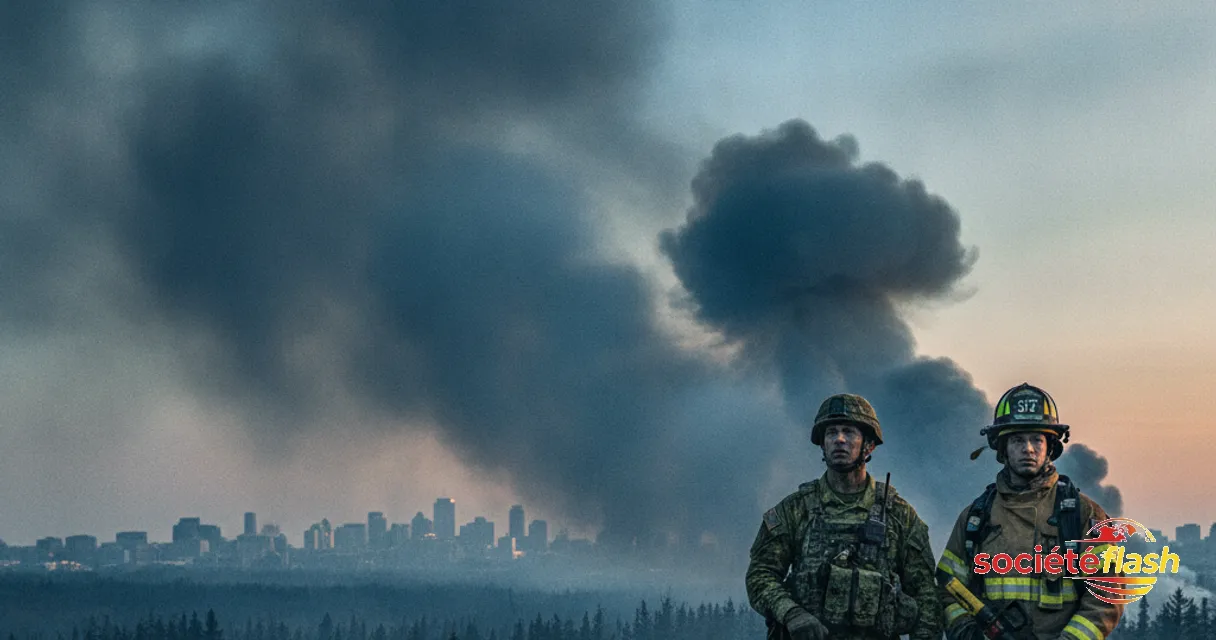
Wildfires represent a major challenge for Canada, particularly for Ottawa and the surrounding region. In 2026, "Wildfires: Ottawa and the Canadian Armed Forces ready to respond - Radio-Canada" is a headline frequently echoed in public discussions. The growing threat of forest fires has prompted Canadian authorities to bolster their preparedness and response to protect residents and the environment.
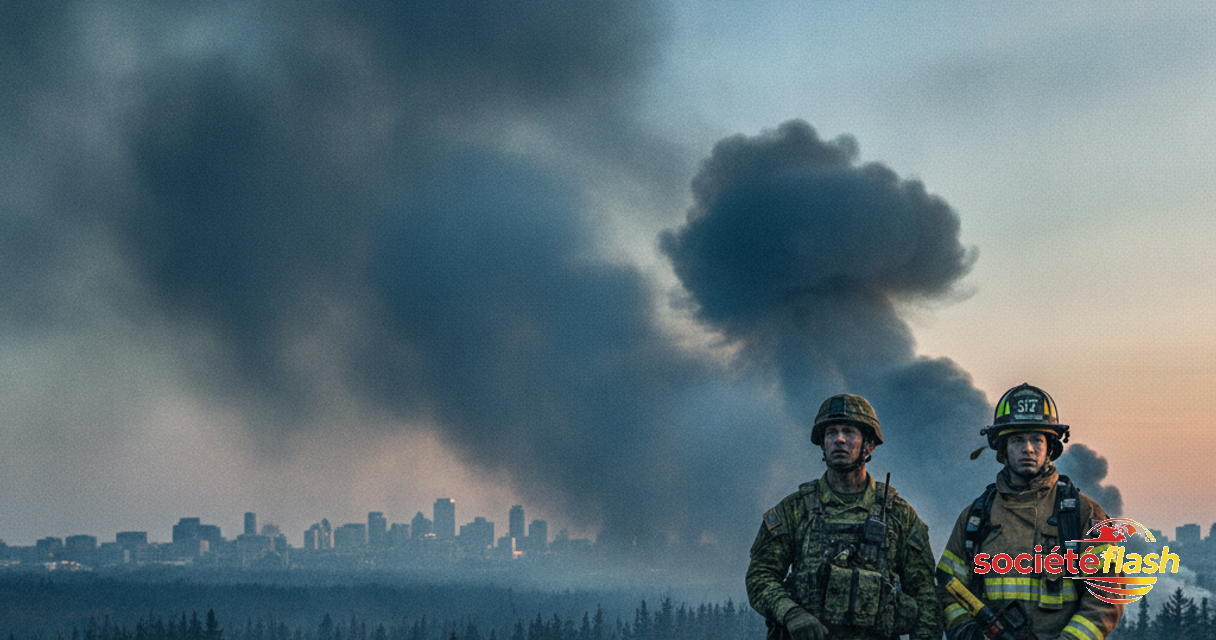
Why are wildfires a concern in 2026?
Wildfires have always been an integral part of Canada's ecosystem. However, climate change has exacerbated their frequency and intensity. In 2026, Ottawa, like many other regions, faces wildfire seasons that are increasingly longer and more destructive. These fires threaten not only property and human lives, but also biodiversity and natural resources.
Wildfires release substantial amounts of carbon dioxide, contributing to the greenhouse effect. Furthermore, the smoke they generate impacts air quality, posing public health risks. Fires can also disrupt the local economy by impacting critical infrastructure and causing setbacks in key industries such as tourism and forestry.
Intervention by Ottawa and the Canadian Armed Forces
In response to these challenges, Ottawa has taken proactive steps to combat wildfires. The Canadian Armed Forces play a crucial role in these efforts. In 2026, the military has been mobilized to provide logistical and operational assistance during wildfire emergencies. Their involvement can include civilian evacuations, firefighting support, and maintaining local infrastructure.
Additionally, specialized training programs have been implemented to prepare soldiers to respond effectively to forest fires. The federal government works in close collaboration with provinces and territories to coordinate efforts and maximize the efficiency of relief operations.
Best Practices for Wildfire Prevention
Wildfire prevention is essential to minimizing the impact of these natural disasters. Here are several recommended practices:
- Fuel management: Reducing flammable materials in forests and around residential areas.
- Public education: Raising community awareness about risks and safe practices to adopt.
- Use of technology: Satellite monitoring and drones to detect early fire outbreaks.
- Emergency plans: Developing clear evacuation plans and communication strategies during emergencies.
Comparison of Interventions Across the Country
As a vast and diverse country, Canada sees its various provinces adopt distinct approaches to wildfire management. For instance, British Columbia has extensive experience in managing forest fires and devotes considerable resources to the cause. In contrast, eastern provinces such as Quebec place a greater emphasis on prevention and community education.
As the federal capital, Ottawa plays a pivotal role in facilitating inter-regional coordination and deploying resources where they are needed most. Collaboration between federal and provincial governments remains crucial to the success of firefighting operations nationwide.
FAQ
How are the Canadian Armed Forces preparing for wildfires?
The Canadian Armed Forces undergo specialized training programs to respond to forest fires. They possess the necessary equipment to support relief operations, including transport vehicles and advanced communication tools.
What are the ecological impacts of wildfires?
Wildfires can destroy natural habitats, reduce biodiversity, and release large volumes of CO2. However, they can also play a regenerative role by clearing dead vegetation and fostering new plant growth.
What role does technology play in wildfire management?
Technology is critical for early fire detection. Satellites, drones, and ground sensors help monitor weather conditions and pinpoint fire outbreaks before they spread.
How can communities prepare for wildfires?
Communities can prepare by creating evacuation plans, participating in simulation drills, and clearing combustible materials around homes. Education and public awareness are also essential to minimizing risk.
Conclusion
Wildfires pose a growing challenge for Ottawa and Canada as a whole. Thanks to close collaboration between the federal government, the Canadian Armed Forces, and local communities, the country is better prepared to face these natural disasters. Société Flash is committed to providing accurate and up-to-date information on critical issues like this. To stay informed and benefit from our high-quality news coverage, visit our website at Société Flash.
To learn more about other current affairs, check out our article on Israeli strikes in Lebanon and their geopolitical impact.
In a constantly evolving world, stay one step ahead with our insights on current trends.