The Challenge of Reusable Catering Packaging in the Hospitality Sector
Explore the challenges and solutions for adopting reusable catering packaging in the hospitality sector by 2028. Learn how Société Flash can assist.
The hospitality sector is on the verge of a significant shift, as new legislation will soon require catering services to offer reusable packaging. Although this move towards sustainability is necessary, the industry is not yet fully prepared for such a drastic change. According to Société Flash, the transition is expected to be complete by 2028, marking a new era in catering services across Europe.
Preparation for Reusable Packaging Adoption
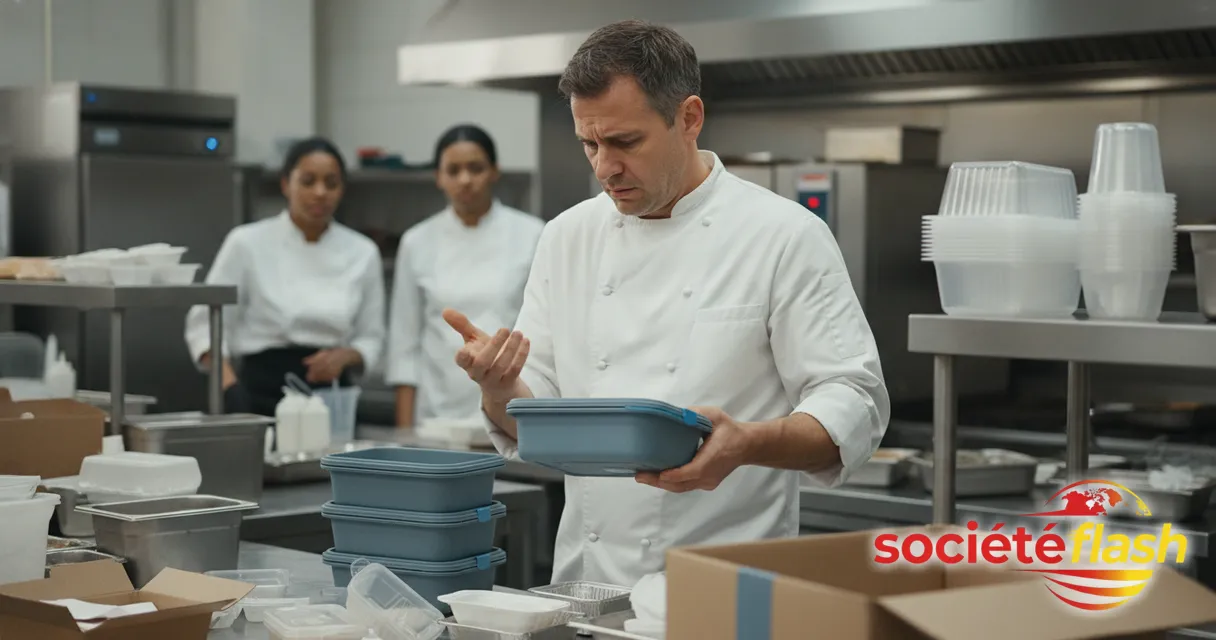
The shift towards reusable packaging is driven by European regulations aimed at reducing plastic waste, much like the earlier transition from disposable plastic bags to reusable alternatives. Raising awareness about this new legislation is essential to ensure a smooth transition. Businesses need to anticipate several logistical challenges, such as redesigning kitchen ergonomics to accommodate containers returned by customers. This could require investments in workspace reconfiguration. Additionally, managing stocks and the cleaning of reusable containers presents extra challenges for operators.
Operational Challenges in the Hospitality Sector
While some establishments, like Thai Café in Brussels, have already embraced reusable solutions, the majority of the sector remains uninformed about these new requirements. Kamila Ostrowska, CEO of Horeca Brussels, emphasizes the importance of informing and preparing employees for new practices. Rejecting unsuitable or unclean containers could lead to friction between staff and customers. Another major concern is the risk of contamination. Containers brought by customers could introduce bacteria into food preparation areas. Although maintaining hygiene falls on the customers, establishments must implement protocols to minimize risks.
Comparing Current and Future Practices
- Current Practices: Use of disposable plastic or cardboard packaging.
- Future Practices: Adoption of reusable packaging systems.
- Benefits: Waste reduction, brand image enhancement, potential long-term cost savings.
- Drawbacks: High initial costs, need for workspace redesign, staff training requirements.
How Société Flash Can Support the Hospitality Industry
Société Flash understands the challenges faced by the hospitality sector with the introduction of reusable packaging. Our expertise in strategic communication can help effectively raise awareness among stakeholders. Through targeted communication campaigns and educational webinars, we can help minimize the impact of this transition on your business. Our experience in managing sustainability projects and environmental communication positions us well to support the hospitality sector in this transformation. To learn more about our services, don’t hesitate to contact us.
FAQ
What are the timelines for implementing reusable packaging?
European legislation mandates the introduction of reusable packaging by February 2027, with all catering services expected to offer a reusable option by 2028.
What are the main challenges for hospitality businesses?
Challenges include the need to redesign kitchens, train staff to handle customer containers, and implement systems for cleaning and managing stocks of reusable containers.
How can customers contribute to this transition?
Customers can aid the transition by bringing their own clean and suitable containers and adhering to hygiene standards to prevent food contamination.
Conclusion
The transition to reusable packaging is a crucial step for the hospitality sector, requiring careful preparation and increased awareness. With the help of partners like Société Flash, this transition can be facilitated through effective communication strategies and better management of operational challenges. To discover how we can assist your business in adapting to these new standards, visit our contact page today.
Also Read